
Spanish books for C1
At C1 long sentences no longer stop you. Vocabulary does: long bookish words come more often than at B2, and the old editions add old-fashioned turns and spelling. Here are thirteen novels, two collections of stories, a novella, four essays and a memoir.
C1
21 books
- The Strange Case of Doctor Jekyll El caso extraño del Doctor Jekyll Robert Louis Stevenson A gothic novella in Spanish for C1 25 648 words 4-7 hours
- Peruvian Traditions Tradiciones peruanas Ricardo Palma Colonial Peru in 27 witty tales for C1 47 632 words 8-13 hours
- Tyrant Banderas Tirano Banderas Ramón del Valle-Inclán A dictator novel in Latin American Spanish 48 927 words 8-14 hours
- Trafalgar Benito Pérez Galdós A naval novel told by a boy, for C1 51 014 words 9-14 hours
- Advice for a Young Investigator Reglas y consejos sobre investigación científica Santiago Ramón y Cajal A Nobel laureate’s advice to young scientists 51 249 words 9-14 hours
- The Cabin La barraca Vicente Blasco Ibáñez A Valencian novel of land and feud for C1 54 071 words 9-15 hours
- The Lady of the Camellias La dama de las camelias Alexandre Dumas fils A Paris love story for C1 61 632 words 10-17 hours
- Love Stories Cuentos de amor Emilia Pardo Bazán 43 stories of love and its disguises for C1 63 368 words 11-18 hours
- A Wedding Trip Un viaje de novios Emilia Pardo Bazán A novel of a trip and a bad match for C1 68 402 words 11-19 hours
- The Mediocre Man El hombre mediocre José Ingenieros An essay on ideals and mediocrity for C1 70 983 words 12-20 hours
- Reeds and Mud Cañas y barro Vicente Blasco Ibáñez A novel of the Albufera lake for C1 74 907 words 12-21 hours
- Recuerdos de provincia Domingo Faustino Sarmiento A memoir of family and exile for C1 79 945 words 13-22 hours
- The Vortex La vorágine José Eustasio Rivera A novel of rubber and the jungle for C1 80 082 words 13-22 hours
- The House of Ulloa Los pazos de Ulloa Emilia Pardo Bazán A Galician novel of manor and power for C1 83 386 words 14-23 hours
- His Only Son Su único hijo Leopoldo Alas “Clarín” A provincial novel of irony for C1 89 167 words 15-25 hours
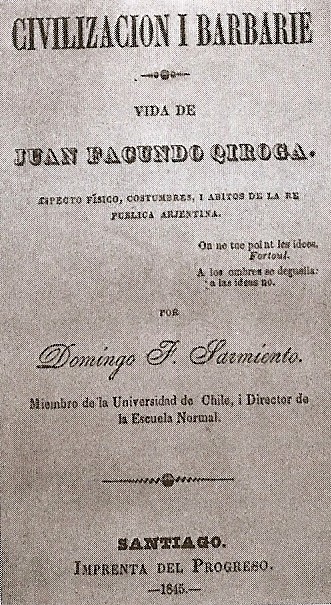
- Facundo: Civilization and Barbarism Facundo: civilización y barbarie Domingo Faustino Sarmiento A political essay-biography for C1 90 352 words 15-25 hours
- Rice and Tartana Arroz y tartana Vicente Blasco Ibáñez A Valencia family novel about debts, for C1 90 857 words 15-25 hours
- The Cathedral La catedral Vicente Blasco Ibáñez Toledo cathedral novel in full for C1 97 491 words 16-27 hours
- Tragic Sense of Life Del sentimiento trágico de la vida Miguel de Unamuno A philosophical essay on faith and death 99 522 words 17-28 hours
- Blood and Sand Sangre y arena Vicente Blasco Ibáñez A bullfighting novel for C1 readers 111 084 words 19-31 hours
- The Four Horsemen of the Apocalypse Los cuatro jinetes del Apocalipsis Vicente Blasco Ibáñez A novel of the First World War for C1 130 859 words 22-36 hours




The level's books side by side
The boundary with B2 is set by vocabulary: a long word, 9 letters or more, comes one in ten in The Lady of the Camellias, A Wedding Trip and The Strange Case of Doctor Jekyll, and one in six in The Mediocre Man, while at B2 it comes less often than one in ten. Sentence length does not set the level: from 13 words in Valle-Inclán’s Tyrant Banderas to 34 in Sarmiento’s Recuerdos de provincia, while The Art of Love at B2 has 18. In the novels and the novella the difficulty is uneven, and each book’s page shows where the text gets harder; Ingenieros’s essay is even from start to finish. Blasco Ibáñez’s The Cabin sits with the novels: 21 words per sentence and a long word one in ten, most of them from the farms and irrigation channels of the Valencian huerta. His Blood and Sand, the bullfighting novel, has 17 words per sentence and a long word one in nine. Galdós’s Trafalgar, 24 words per sentence and a long word one in ten, many of them naval terms, and Pardo Bazán’s The House of Ulloa, 20 words and one in nine, sit with the other novels. Blasco Ibáñez’s Reeds and Mud (20 words, a long word one in ten) and The Four Horsemen of the Apocalypse (15 words, one in eight), and Palma’s Peruvian Traditions (26 words, one in nine, with colonial vocabulary and archaisms) complete the shelf. Pardo Bazán’s Love Stories (26 words, a long word one in ten) and Sarmiento’s Facundo (30 words, one in eight), an essay on Argentina and its caudillos, are the latest additions. Tyrant Banderas, a novel of an imaginary Latin American dictatorship, joins them with short sentences, 13 words, and a long word one in eight, in Spanish mixed from many countries. Rivera’s The Vortex, the Colombian novel of the jungle rubber camps, has 15 words per sentence and a long word one in nine. Unamuno’s Tragic Sense of Life, an essay on faith, reason and the longing not to die, has 25 words per sentence and a long word one in ten. Blasco Ibáñez’s The Cathedral (19 words, a long word one in nine) and Rice and Tartana (22 words, one in nine), Ramón y Cajal’s advice to young scientists (31 words, almost one in five) and Sarmiento’s memoir of his San Juan childhood (34 words, one in eight) are the latest additions. Clarín’s His Only Son (23 words, a long word one in ten) sits right on the line with B2.
- The Strange Case of Doctor Jekyll Robert Louis Stevenson Words per sentence 26Length 25 648 words
- Peruvian Traditions Ricardo Palma Words per sentence 26Length 47 632 words
- Tyrant Banderas Ramón del Valle-Inclán Words per sentence 13Length 48 927 words
- Trafalgar Benito Pérez Galdós Words per sentence 24Length 51 014 words
- Advice for a Young Investigator Santiago Ramón y Cajal Words per sentence 31Length 51 249 words
- The Cabin Vicente Blasco Ibáñez Words per sentence 21Length 54 071 words
- The Lady of the Camellias Alexandre Dumas fils Words per sentence 17Length 61 632 words
- Love Stories Emilia Pardo Bazán Words per sentence 26Length 63 368 words
- A Wedding Trip Emilia Pardo Bazán Words per sentence 20Length 68 402 words
- The Mediocre Man José Ingenieros Words per sentence 21Length 70 983 words
- Reeds and Mud Vicente Blasco Ibáñez Words per sentence 20Length 74 907 words
- Recuerdos de provincia Domingo Faustino Sarmiento Words per sentence 34Length 79 945 words
- The Vortex José Eustasio Rivera Words per sentence 15Length 80 082 words
- The House of Ulloa Emilia Pardo Bazán Words per sentence 20Length 83 386 words
- His Only Son Leopoldo Alas “Clarín” Words per sentence 23Length 89 167 words
- Facundo: Civilization and Barbarism Domingo Faustino Sarmiento Words per sentence 30Length 90 352 words
- Rice and Tartana Vicente Blasco Ibáñez Words per sentence 22Length 90 857 words
- The Cathedral Vicente Blasco Ibáñez Words per sentence 19Length 97 491 words
- Tragic Sense of Life Miguel de Unamuno Words per sentence 25Length 99 522 words
- Blood and Sand Vicente Blasco Ibáñez Words per sentence 17Length 111 084 words
- The Four Horsemen of the Apocalypse Vicente Blasco Ibáñez Words per sentence 15Length 130 859 words
How these books read in MovaReader
Tap an unfamiliar word and its translation appears right there, with no dictionary in another tab. The reader remembers your place and the words you opened. Signing up is free.
Before you read
How is C1 different from B2 in this catalog?
In vocabulary. At C1 a long word, 9 letters or more, comes one in ten or more often, and at B2 less often than one in ten. Sentence length does not set the level: The Lady of the Camellias at C1 has 17 words per sentence, and The Art of Love at B2 has 18.
Are these adaptations or complete texts?
Complete texts, not abridged or adapted: Pardo Bazán’s A Wedding Trip and Ingenieros’s The Mediocre Man in the original, Dumas fils’s The Lady of the Camellias in a 1912 Spanish translation, and The Strange Case of Doctor Jekyll in Emilio Soulère’s 1891 translation. Blasco Ibáñez’s The Cabin (1898) is a complete text in the original too. So is his Blood and Sand (1908). So are Galdós’s Trafalgar (1873) and Pardo Bazán’s The House of Ulloa (1886). So are Blasco Ibáñez’s Reeds and Mud (1902) and The Four Horsemen of the Apocalypse (1916), and Palma’s Peruvian Traditions in a selection of 27. So are Pardo Bazán’s Love Stories (1898) and Sarmiento’s Facundo (1845). So is Valle-Inclán’s Tyrant Banderas (1926). So is Rivera’s The Vortex (1924). So is Unamuno’s Tragic Sense of Life (1913). So are Blasco Ibáñez’s The Cathedral (1903) and Rice and Tartana (1894), Ramón y Cajal’s Advice for a Young Investigator (6th edition, 1923) and Sarmiento’s Recuerdos de provincia (1850). So is Clarín’s His Only Son (1890).
Is there a non-fiction book here?
Yes, José Ingenieros’s The Mediocre Man: a 1913 essay in ten parts about ideals, mediocrity and envy. It has no plot, so it reads best one part at a time; the easiest in vocabulary is part VI, “La envidia”. The second is Sarmiento’s Facundo (1845): a biography of the caudillo Facundo Quiroga and an essay on Argentina, civilization against barbarism. The third is Unamuno’s Tragic Sense of Life (1913), on faith, reason and the longing not to die. Two more: Ramón y Cajal’s Advice for a Young Investigator, by the 1906 Nobel laureate in medicine, and Sarmiento’s Recuerdos de provincia, a memoir of his family and his province.
When should I move on to C2?
When C1 books read without stopping at every paragraph. At C2 the catalog has twelve books, from Cervantes’s Don Quixote and Teresa of Ávila’s Book of Her Life to Rodó’s Ariel: in the prose, sentences average 38 to 51 words and more, against 13 to 34 at C1.