Curated Resources
Free Graded Spanish Readers by Level (Legal)
A by-level map of free legal Spanish readers: what to open at A1 through B2, what to skip, and a weekly loop you can actually finish.
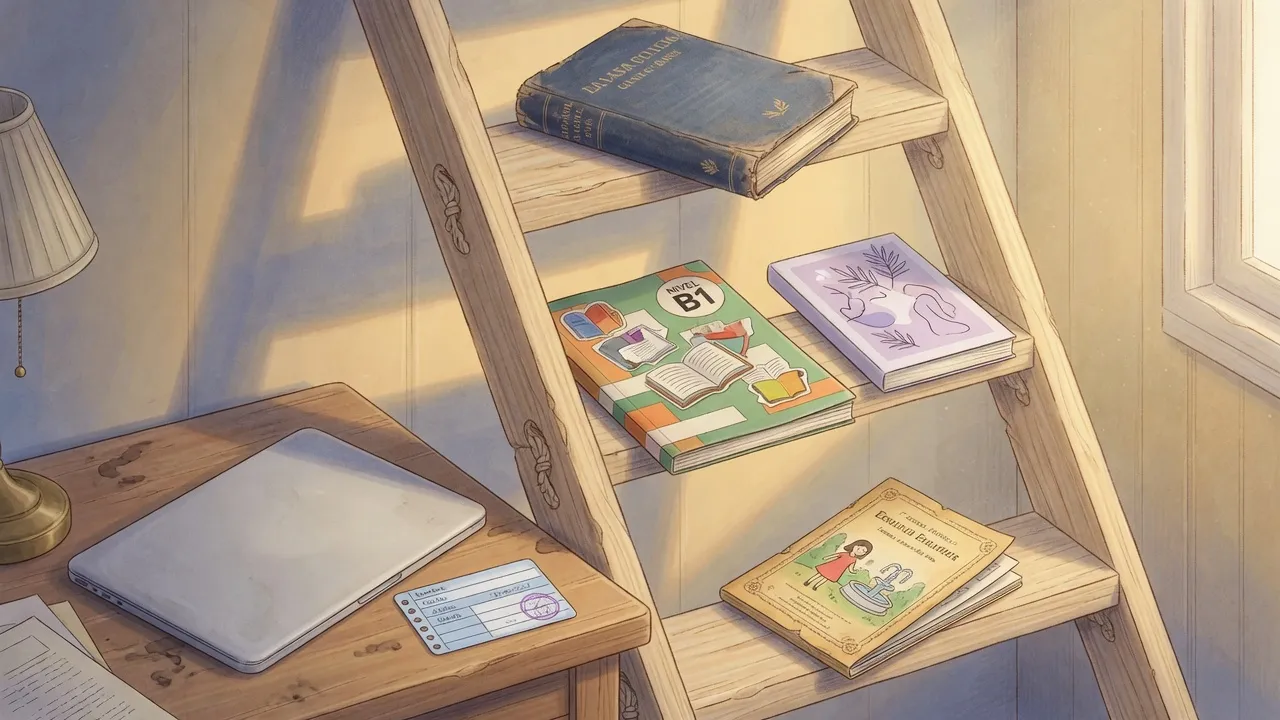
You search "free graded Spanish readers" and three things land on the first screen. A shop that wants money for a thin A1 book. A pirate ZIP of a commercial series. Or Don Quijote, stamped beginner because the file costs nothing.
That last one is the wrong shelf. Free is not the same as A1.
At each Spanish level you need a finishable legal text, not a "free PDF" of a novel. At A1 and A2, open a learner short: a MovaReader sample, a Lingua free-tier page, or a CVC inicial classroom lectura. At B1, stay with learner texts first. Add a careful public-domain short only if you want stretch, not Galdós. From B2 up, CVC avanzado and heritage libraries give volume, not comfort. Skip pirate ZIPs. Mexican schoolbooks are free and legal, but they are not ELE-controlled readers.
Here is what you will walk away with:
- What to open at A1 today
- What to read at A2 for free, legally
- Which B1 texts you can actually finish
- What B2+ free reading really is
- How to tell text types apart, then a week you can finish
This page is what to open at your band. The sister article is where those sources are allowed: CVC versus public domain versus pirate versus a library loan. If you want one page right now, start with Mi día en el parque.
What should you open at each level?
Four bands. Pick the row that matches you, then open one named text this week.
| Level | Open this now | You will actually finish | Skip | Legal note |
|---|---|---|---|---|
| A1 | Mi día en el parque. Lingua free A1: Familia pequeña, Mi día. CVC inicial example Por soñar. Extra (their terms): Fluent With Stories, Snappy Spanish. | One short classroom or story page today. Not a novel. | Quijote as beginner. Pirate "graded reader" ZIPs. Galdós. BNE scans as day-one A1. | In-app library / Lingua free-tier / official Instituto Cervantes classroom (CVC). |
| A2 | Aprendiendo a reciclar en casa. Lingua free A2: El parque, Mi perro Curro, plus siblings on the same free list. CVC still often inicial, then ease toward intermedio (treat the label loosely). CONALITEG only as optional cultural stretch. | A longer learner short. Not a native textbook chapter as proof you finished A2. | Treating CVC inicial as publisher A2. Treating CONALITEG as CEFR proof. Stale Issuu kids lists. | Same legal spine as A1. CONALITEG is official Mexican school, not ELE. |
| B1 | El Misterio del Mapa Pirata. Lingua free B1 shorts (same 27-free wall). CVC intermedio. Gutenberg only with care: historic school readers, not Galdós. | A learner short, plus maybe one old classroom-reader tale. | Doña Perfecta / Galdós / Bécquer as a "B1 graded reader." Invented CEFR on classics. | Site free-tier / CVC official / public-domain USA (with care). Subject 4582 is a mix, not a CEFR shelf. |
| B2+ | CVC avanzado. Lingua thin B2 free (3 titles live). Volume, not comfort: BNE Digital, Cervantes Virtual, Gutenberg literary Spanish. | Pages of heritage Spanish, not a comfort novel. | Calling BNE scans "graded readers." Treating those 3 Lingua B2 texts as a full B2 library. | Heritage public domain / e-deposit / open Hispanic corpus. Not CEFR-labeled. |
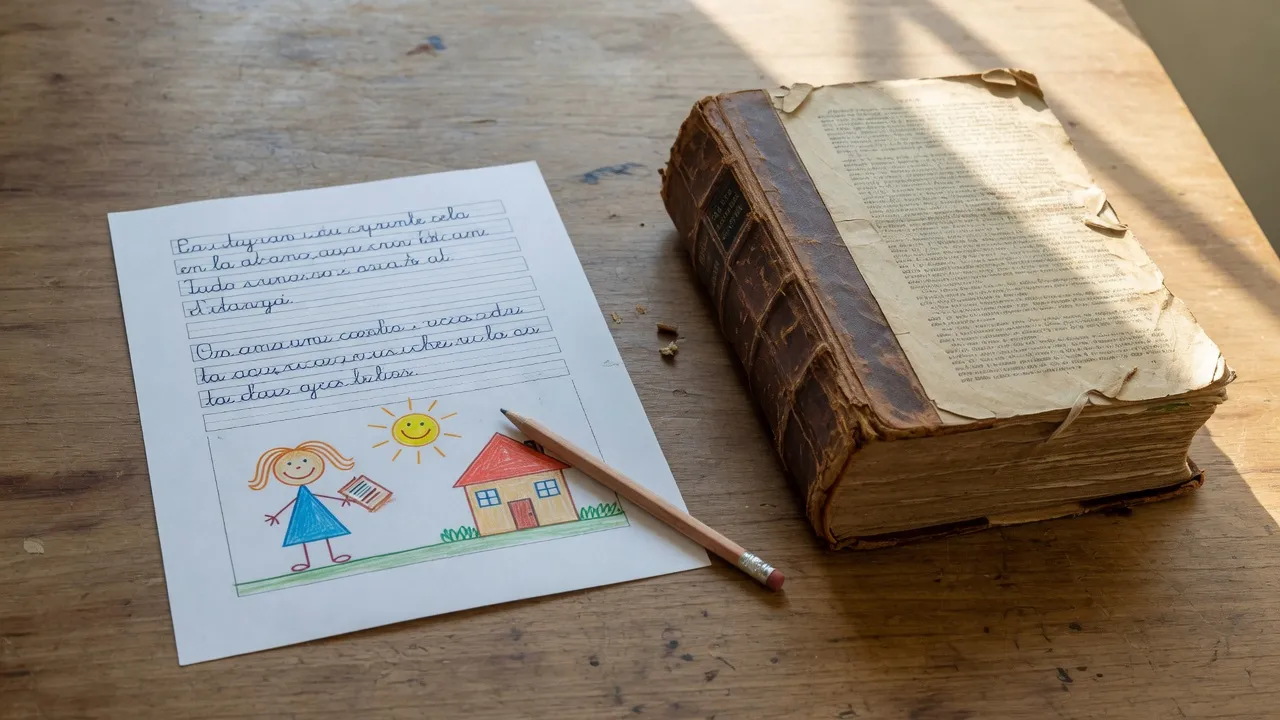
Here is the same idea as a picture: learner pages on the lower rungs, heritage books at the top.
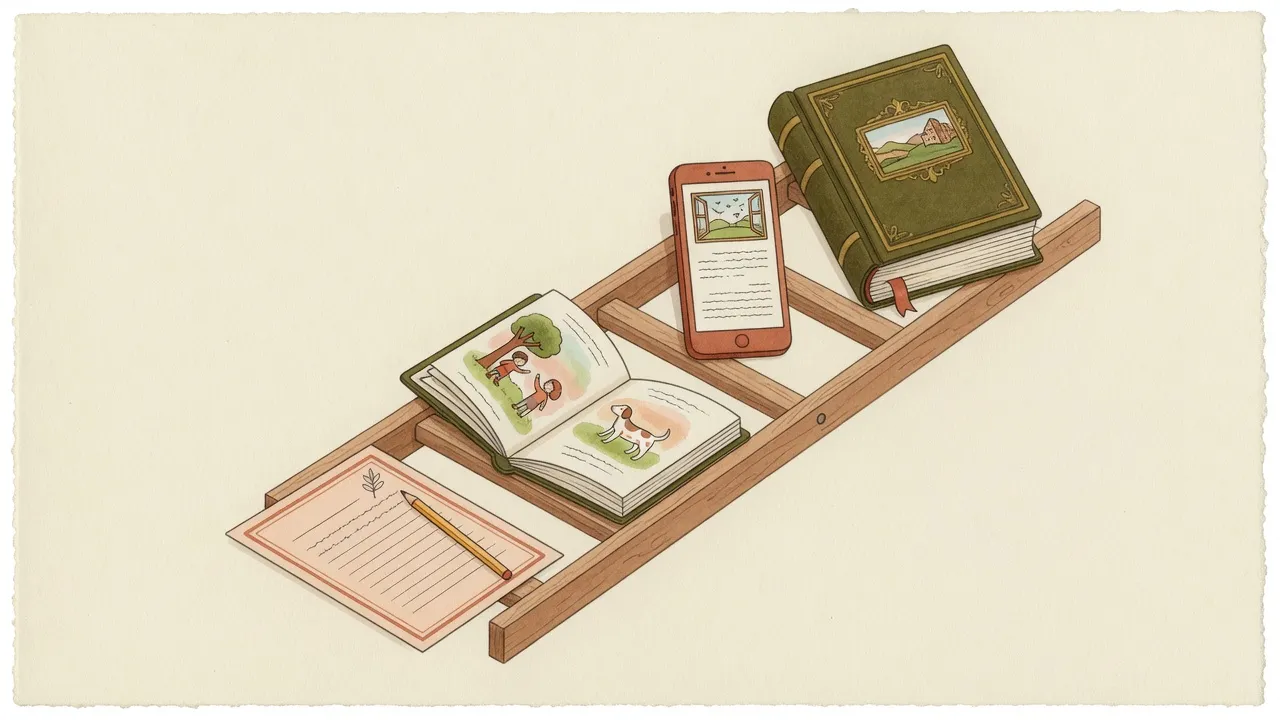
If you still need where a source is allowed, that map is the legal sources article. The table above is which text to open at which band.
Graded reader, public-domain book, or school textbook?
A lot of "free Spanish reading" is three different objects wearing the same label. A learner text is short on purpose. A classic is free because the copyright died, not because someone wrote A1 Spanish. A schoolbook is for children in a national classroom. Those three feel nothing alike on the page.
| Kind | Feels like | Free? | CEFR? |
|---|---|---|---|
| Learner / ELE text (CVC, Lingua free, Mova library) | Controlled vocab, short arc, classroom or in-app page | Often free-tier or in-app | Labeled or close. CVC uses inicial / intermedio / avanzado, not A1-A2-B1. |
| Public-domain classic (Gutenberg, BNE Digital, Cervantes Virtual) | Literary Spanish, old spelling, long sentences | Yes, legal public domain / heritage | Usually not A1. Never invent a CEFR for Galdós or Bécquer. |
| Native schoolbook (CONALITEG current + historic) | Mexican classroom literacy | Yes, official | Fan-made A1-C2 maps on Reddit are not ELE proof. |
| Paid ELE series (Anaya, Lola Lago, Edinumen...) | Real publisher graded readers | Not free. Shop or library loan. | Publisher bands. No ZIP dumps. |
One column is a page you can finish. The other is a nineteenth-century sentence that does not care about your Tuesday.
Why does Gutenberg look like a beginner shelf?
Subject 4582 is labeled "Spanish language -- Readers." It mixes old US classroom books (A First Spanish Reader, An Elementary Spanish Reader) with full literary Spanish: Galdós Doña Perfecta, Mariucha, Bécquer. "Elementary" is a 1910s school word. It is not A1 CEFR.
Is CVC inicial the same as A1?
Close in spirit. Different label system. Instituto Cervantes Lecturas paso a paso uses inicial / intermedio / avanzado, plus an internal 1-5 difficulty inside each band. That is not publisher A1-A2-B1. Map it loosely. Fine as an A1-ish classroom start. Do not stamp Por soñar "A1" as if Anaya printed it.
Are CONALITEG books "50 free graded readers"?
They are official, free, legal, and culturally rich. CONALITEG and the historic textbooks are Mexican school literacy (preescolar, primaria, secundaria). Fan A1-C2 maps are unofficial. Mobile PDFs can be painful. Use them as optional stretch from A2 up, never as the A1 cell.
What should you open at A1?
You do not need a novel. You need one short page you can finish before dinner.
Start with Mi día en el parque. Then try Lingua's free A1 pair, Familia pequeña and Mi día, on the Spanish reading catalog. Lingua's free wall is small: 27 free texts, 275 premium. Do not expect a whole A1 library there.
For a classroom lectura, open the CVC inicial band and read Por soñar. Siblings live on that same band page. The page comes with activities. It is still one lectura, not a book.
Fluent With Stories and Snappy Spanish can be extra story sites if their terms work for you. They are not institutional, and they are not the official path.
Skip Quijote. Skip pirate "graded reader" ZIPs. Skip BNE scans as day-one A1. If you want a classic story at your level instead, MovaReader's book catalog has retellings such as Caperucita Roja at A1 and Don Quijote at A2, where you tap a word to see its translation.
What you finish: one short page or one classroom lectura.
If you want A1 fiction types after that first page (warm-up shapes, not this map), see seven short stories beginners can read on day one.
What should you read at A2 for free legally?
The jump from A1 is length and a few more everyday scenes, not a native textbook.
Open Aprendiendo a reciclar en casa. On Lingua's free list, A2 is the thickest beginner cluster: El parque, Mi perro Curro, plus siblings such as El helado, El tiempo, El tiempo libre, En la escuela, Mi abuelo Tomás, and Mi familia. Still inside that 27-free wall.
On CVC you will still land on inicial more often than you expect. Ease toward intermedio when the page feels easy. Remember: classroom labels, not publisher A2.
CONALITEG is official and legal. It is not an ELE A2 reader. A first-grade PDF from a Mexican school is a cultural stretch, not proof you finished the band. Skip stale Issuu kids lists that pretend otherwise.
What free B1 readers are actually legal?
Stay with a learner short first. Stretch later, if you want it.
Open El Misterio del Mapa Pirata. Lingua's free B1 cluster is the largest slice of those 27 texts (Mi nueva casa, Barcelona, Viaje a Sevilla, and more on the same free list). CVC intermedio is the classroom middle band: close in spirit, not identical to publisher B1.
Gutenberg only with care. Two historic US school readers are legal public domain: A First Spanish Reader (Roessler / Remy) and An Elementary Spanish Reader (Harrison). They are old classroom Spanish, not modern B1 ELE books. Subject 4582 puts those readers next to Galdós. That mix is the trap.
Skip Doña Perfecta, Galdós, and Bécquer as "B1 graded readers." Do not invent a CEFR band for a classic.
What can you open at B2+ without drowning?
This is where free stops feeling like a reader and starts feeling like a library.
CVC avanzado is still a classroom lectura, which helps. Lingua's free B2 shelf is thin: three titles live (Pasatiempos, Tópicos falsos sobre los españoles, Vacaciones de Navidad en España). That is not a B2 library.
For volume, not comfort, open heritage Spanish. BNE Digital (search at bnedigital.bne.es), Cervantes Virtual, and literary Spanish on Project Gutenberg. None of these are CEFR-labeled. Do not call a BNE scan a graded reader.
If you want named literary shorts or paid anthologies, that list lives on best Spanish short stories by CEFR level.
How do you know a text is finishable?
Ignore the title page. Open a paragraph in the middle.
- If you hit a blocker on every line, drop a band or switch to a learner site.
- If you follow the scene at about 80-90%, stay.
- Finish the page. That is the whole test.
The language map is a compass for words you already know. It is not an exam.
How do you run a week by level?
Most days, stay on the cell you already chose. One day, step up. Sunday, look back. Fifteen or twenty minutes is enough if you finish the page.
- Most days: the at-band learner text (A1, A2, or B1 from the table).
- One stretch day: one step up, or one public-domain short if you are B1+.
- Sunday: reread, mark blockers, glance at the language map.
That loop, as a week strip rather than a source-rotation plan:
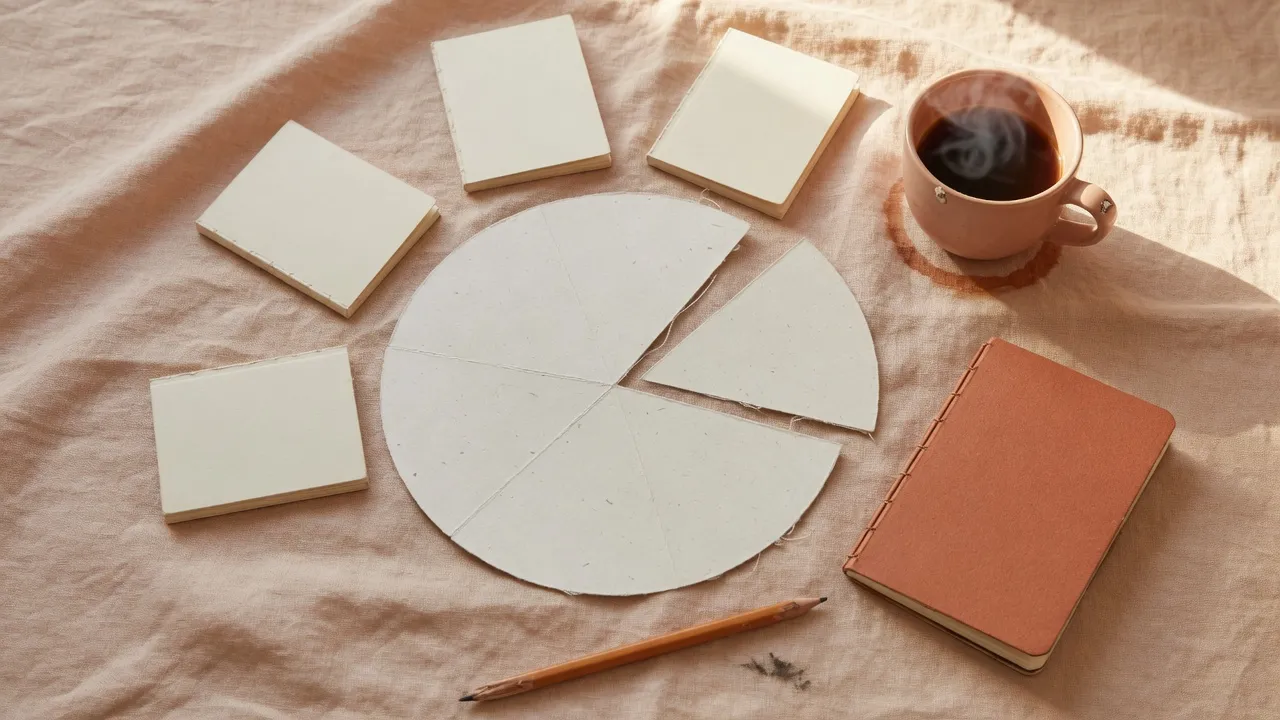
A simple week if you like days:
- Mon: open the at-band cell. Finish one page.
- Tue: the same text, or the next short at that band.
- Wed: at-band again (Mova, Lingua free, or the CVC band).
- Thu: at-band. Click only blockers.
- Fri: stretch. One step up, or one historic reader tale if you are B1+.
- Sat: an optional extra page, or stop. Do not start a novel.
- Sun: reread. Mark leftovers. Glance at the language map.
This is by band. The sister article's week rotates source types. Different job.
How does a reader app fit?
You can run this week with no app at all: CVC, Lingua's 27 free texts, Gutenberg with care. An app helps when you want to tap a blocker and stay on the page.
Guests can open free library stories at the band you just picked. The free plan caps word translations at about 20 a day. When that cap starts interrupting a page, Reader is about €1 for unlimited translations. Pro is about €5 if you want trainers. Details sit on pricing. How tap-translate works is on how to use.
Upload an EPUB you legally own when shorts feel small. The app does not host commercial novel chapters. It does not replace CVC, Lingua, Gutenberg, or BNE. It does not stamp Galdós with a CEFR band.
The full free library has the samples above, plus more at each band. The language map stays orientation, not an exam.
FAQ
Is Project Gutenberg good for A1 Spanish?
A few old US classroom readers exist and are legal public domain. Most of the Spanish shelf is literary. Cite A First Spanish Reader and An Elementary Spanish Reader as historic school Spanish, not modern A1. Subject 4582 puts them next to Galdós. Gutenberg is not an A1 library. A1 opens learner shorts: 1127, Lingua free A1, CVC inicial.
Are Mexican CONALITEG textbooks graded readers?
Official, free, legal, culturally rich. Produced by CONALITEG / SEP for Mexican schools. They are native-kid literacy, not ELE-controlled readers, and not official CEFR. Fan "50 free graded readers" maps are unofficial. Optional stretch from A2 up. Never the A1 cell.
Can I use free legal EPUBs in a reader app?
Yes, if you own the file or downloaded it legally: Gutenberg public domain, BNE Digital public-domain downloads, a book you bought. No pirate ZIPs of commercial ELE series. In MovaReader, your own legal EPUB is fine. The app does not host commercial novel chapters.
Is CVC "inicial" the same as A1?
Close in spirit, different labels. CVC says inicial / intermedio / avanzado. Publishers say A1-A2-B1. Por soñar is a fair A1-ish classroom start. Do not treat the word inicial as a publisher stamp.
Is Lingua.com really free?
A small free tier. The rest is premium. Live count: 27 free / 275 premium on the English catalog and the Spanish twin. Free by band: A1 has 2, A2 has 8, B1 has 13, B2 has 3, C1 has 1. The catalog size is 302. That is not 302 free texts.
Where do I find more free stories inside MovaReader?
The band samples in this post, the library index, and the in-app stories by CEFR for more IDs. A1 is 1127, A2 is 1209, B1 is 1204. It is not a warehouse of licensed bestsellers.
Pick one cell. Open it today. Mi día en el parque if you are A1. The recycling story if you are A2. The pirate-map mystery if you are B1. If you still need source types, use the legal map. If you want more in-app IDs, use the CEFR stories hub. One page this week beats a folder of files you never start.
Keep reading with translations inside the text
With a free account, an unknown word translates with one tap, and the words you are learning wait for you in the trainer.
Free account: 7 days of Pro, then 20 word translations a day or a paid plan.