Language Learning Psychology
Steve Kaufmann Method: Why Polyglots Read Massively (Not Grammar Tables First)
Polyglots do not ban grammar forever. They refuse grammar-as-gate before input. Here is the Steve Kaufmann approach: mass read+listen, tolerate incomplete understanding, notice rules later, plus a practical week plan.

You spent years on grammar tables. Quizzes. Color-coded notebooks. Then a real English or Spanish text shows up and you still feel stuck around B1.
Someone says, "Just read more." It sounds empty. Read what? How much? What about the words you do not know? And when do the rules finally matter?
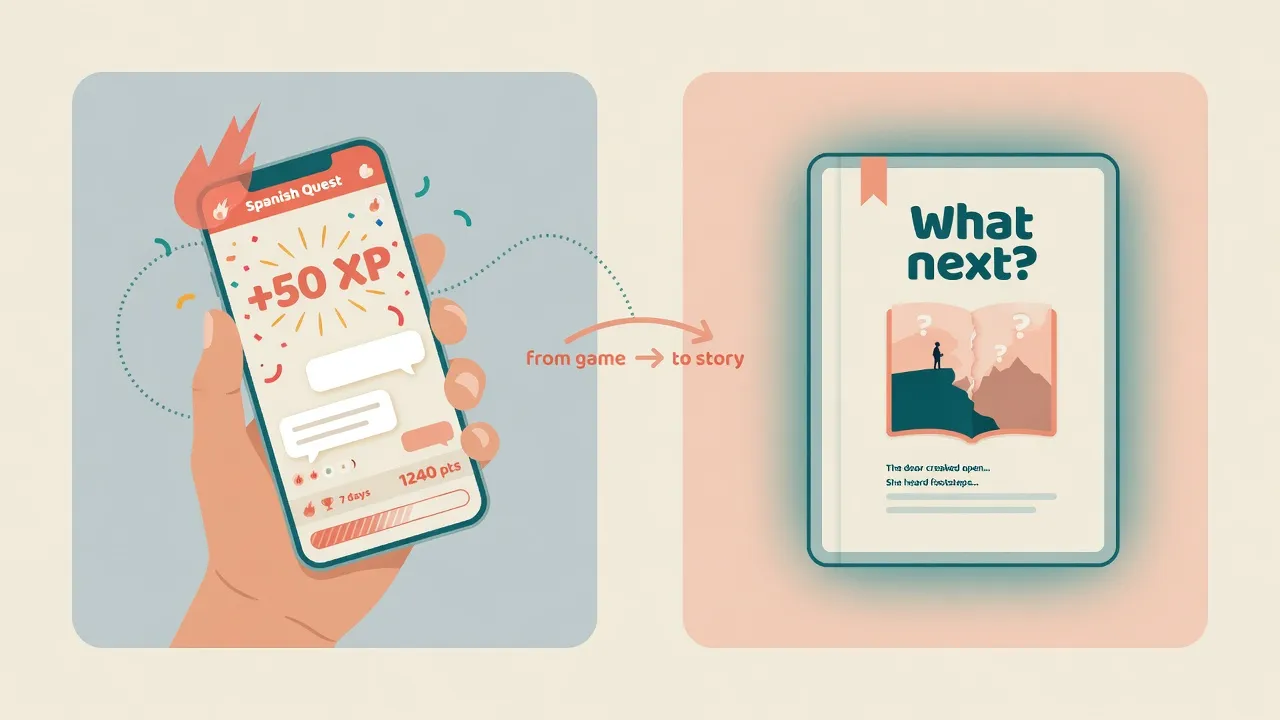
That is the practical question behind the Steve Kaufmann method - not a secret club of polyglots, and not a ban on grammar forever. School trained many of us to wait until forms feel "safe." Input-first learners reverse the order: messages first, labels later.
The Steve Kaufmann method is input-first: spend most of your time on interesting reading and listening you mostly understand, and look up only what blocks the story. Explicit grammar comes later as a way to notice patterns you already half-know - not as a ban on grammar forever.
Below: who he is, a light link to Krashen's comprehensible input, five simple principles, why massive reading is hard without helpers, a practical week, an input-first vs grammar-first table, what other polyglots tend to share, where a reading app helps, and FAQ.
Who is Steve Kaufmann?
Steve Kaufmann is a Canadian polyglot with a diplomat and business background. He co-founded LingQ, posts regularly on YouTube as The Linguist, and wrote The Way of the Linguist. He and many sites describe a large language repertoire (often around twenty languages). Treat that as public framing, not a scoreboard you must match.
People listen because he shows daily practice and an input-first philosophy in public - not because one person owns "the only way." You do not need his biography to steal the useful habit: flood interesting input, tolerate incomplete understanding, use rules when they explain what you already half-hear.
LingQ is his platform for learning from real content (read, listen, save words). This article is about the method.
How does this link to Krashen's comprehensible input?
In plain words, language grows when you get messages you mostly understand through reading and listening. Stephen Krashen's informal formula is i+1: a little above what you already handle, still followable with context or light help.
Kaufmann stresses something school often forgets: interest. Boring "correct" texts die on the shelf. Compelling content is the fuel that keeps you in the language long enough for patterns to show up. If the page is a chore, you stop. If the story pulls you, volume becomes possible.
Comprehensible input is a compass, not a cult. It points you toward volume and understanding. It does not mean speaking will arrive by itself, or that grammar never helps. For a deeper take on the theory, see our guide to Krashen's comprehensible input hypothesis.
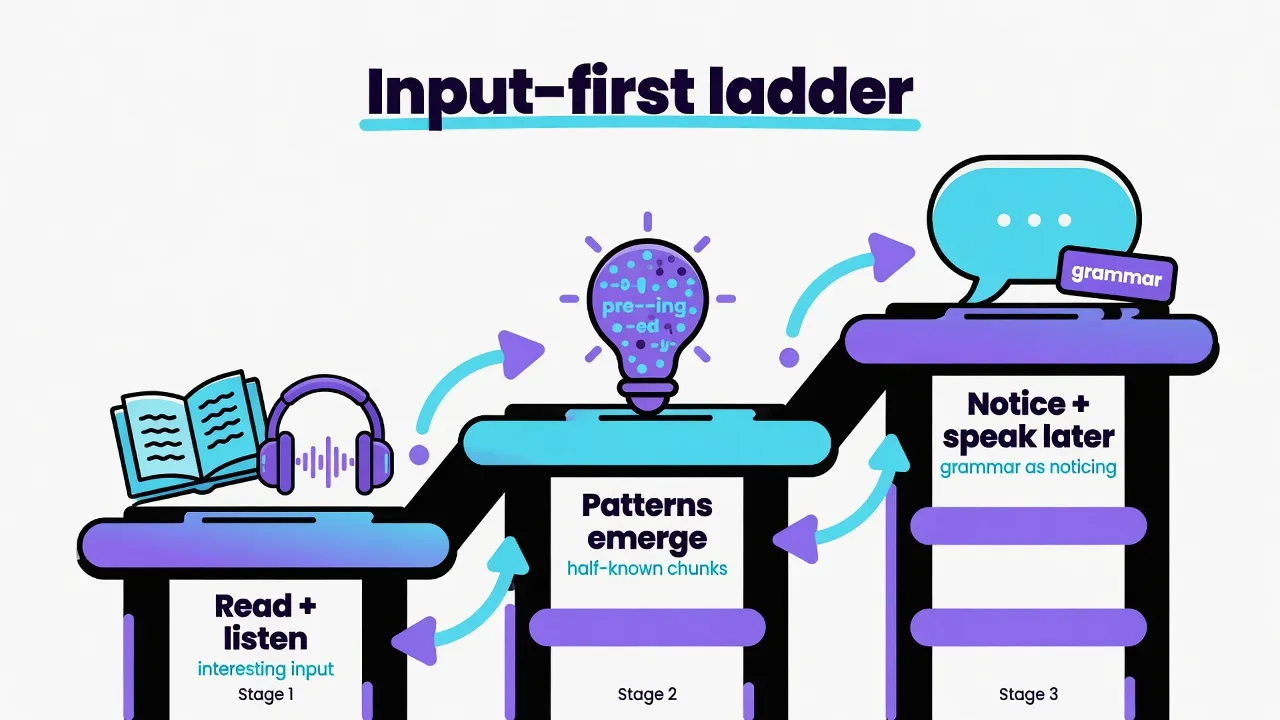
Here is the climb many learners need: simpler graded text first, then more volume, then more authentic material when you can follow the story without freezing. That is the input ladder in everyday form - not a precise percentage, just a path that keeps you reading.
What are the 5 principles of the Kaufmann method?
Simple habits, not a secret club. Think of them as how you spend the hour - and how you decide what "counts" as study.
1. Mass read and listen
Most study time goes to content you care about - stories, news you chose, blogs, podcasts with transcripts - not drills as the default. Flood the garden with interesting input. That is the water. Grammar labels come later, after plants grow. If almost every session is tables and almost none is real text, you are running school-first, not Kaufmann-style. Soften that split over time toward input.
2. Tolerate incomplete understanding
Do not freeze on every unknown word. Look up what blocks the meaning of the sentence or scene. Leave the rest for a second pass. Incomplete understanding is a normal mode, not a failure report. The goal early is the message, not a perfect word list for every line.
3. Variety of materials
Topics and genres you actually want beat one boring textbook chain. Different contexts recycle vocabulary and structures in new clothes. One novel, one blog, one short news piece, and a podcast transcript can teach the same "hard" word without another worksheet.
4. Read and listen together when possible
Same text plus audio when you can get both. Eyes and ears on one piece reinforce rhythm, spelling, and sound without turning the session into a separate "listening exam." If audio is missing, reading alone still counts. Stack channels when they are free; do not stall the habit waiting for perfect media.
5. Grammar later - light reference for noticing
After exposure, open a grammar note or short explanation to label patterns you already half-feel. Rules help you notice. They are not the gate you must clear before you are "allowed" to read. A five-minute "why did that tense keep showing up?" note after a week of stories is more Kaufmann-like than a full chapter before page one.
Occasional word review is fine. This is not pure flashcard-first religion, and it is not a forever ban on grammar books.
Why is massive reading hard without friction helpers?
On paper the method is simple: read a lot of interesting stuff. In practice, A2-B1 feels like this:
- Every third word is unknown
- The dictionary lives in another tab
- Idioms do not translate word for word
- Long sentences turn into puzzles
- Motivation drops in about ten minutes of pure struggle
Level check: authentic news English or Spanish at early A2 is often a wall. Start with graded or simpler material. Climb later. Willpower alone is a weak plan when lookup friction burns the session.
Tools that cut lookup friction and add audio help you stay in the text longer. They do not mint polyglots on their own. A smoother app cannot replace hours with messages you care about.
LingQ is one way Kaufmann operationalized input-first learning from real content. Other reading helpers exist too. Such tools reduce friction; they do not "automate" becoming multilingual.
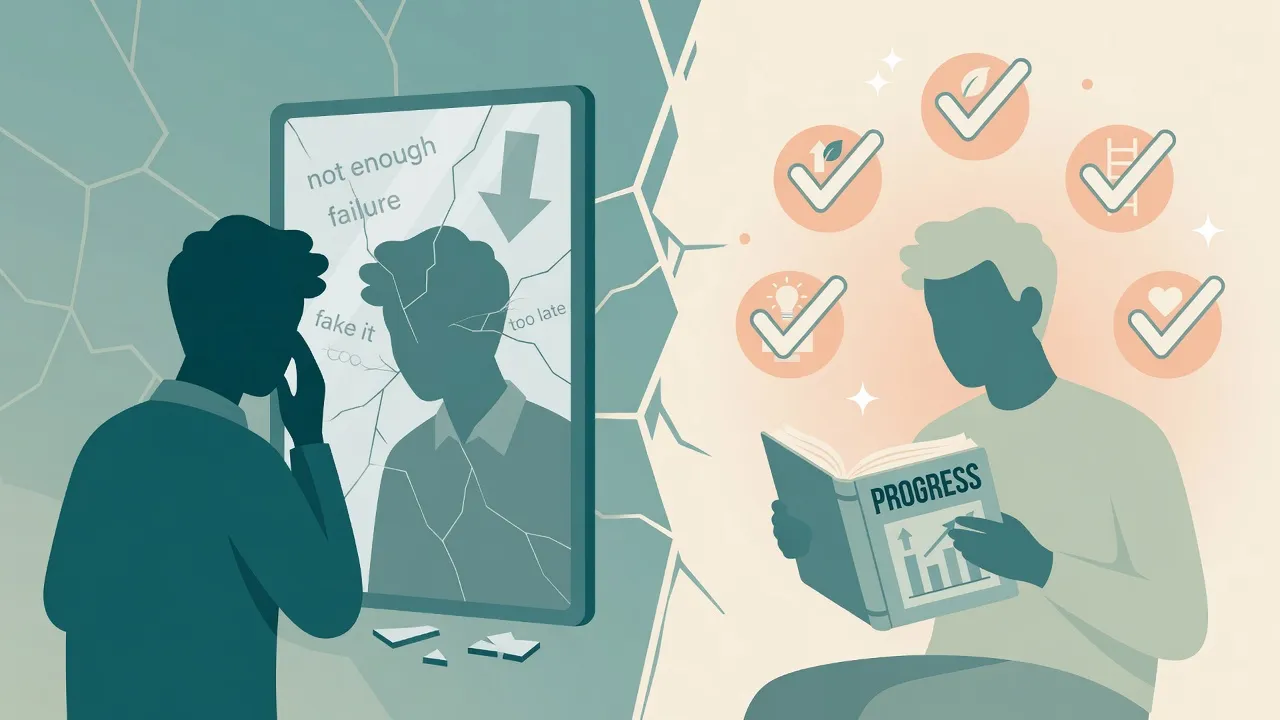
If you freeze because every unknown word feels like a red pen, that is also a psychology problem, not only a vocab gap. Our piece on fear of mistakes and perfectionism pairs well with the "tolerate incomplete understanding" habit.
Practical week: a Kaufmann-style plan you can run
Minutes are ranges, not guarantees. Consistency beats a heroic weekend and three empty weeks. The point is a week you can actually live with - not a bootcamp you quit on day four.
Daily spine
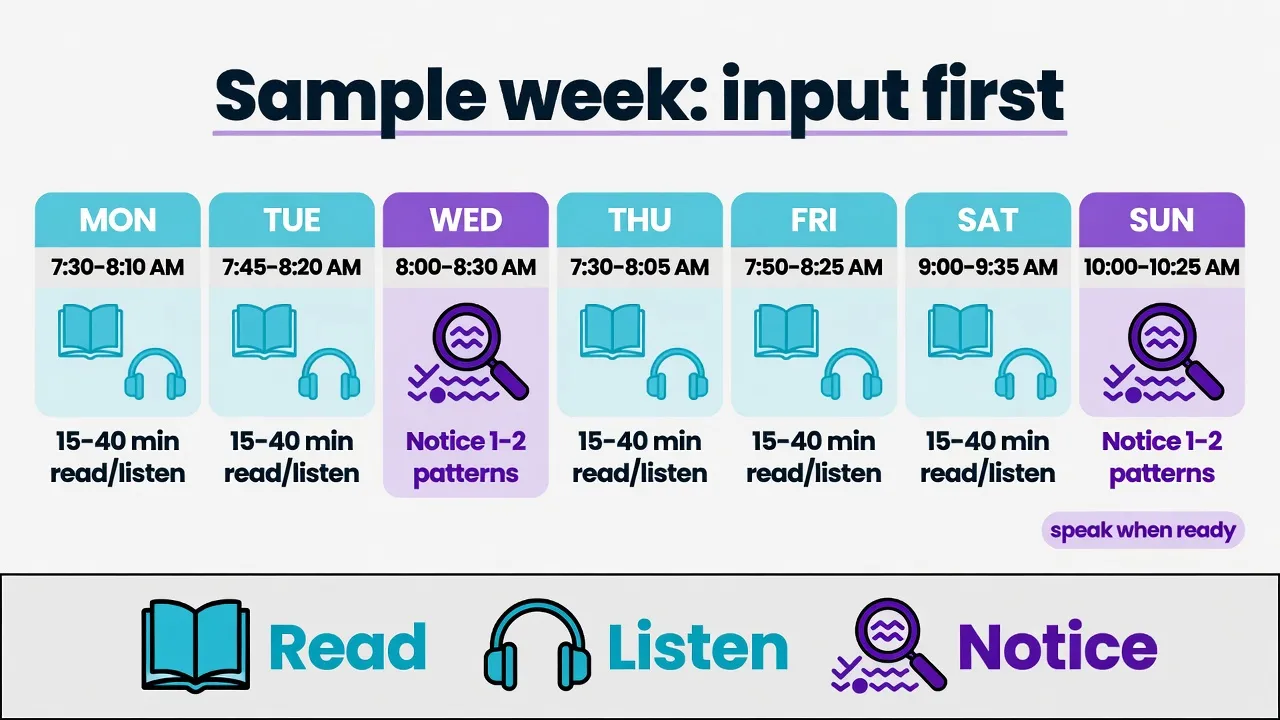
- 15-40 minutes of interesting input (read; add listen when you can)
- Lookup rule: only words that block meaning; skip the rest; reread or relisten later
- Beginners: graded English or Spanish first; raw newspaper later
- Midweek optional: light noticing of 1-2 patterns you kept seeing; short review of words you actually looked up
- Speaking: optional when ready. Reading builds foundation. Speaking still needs practice - conversation, shadowing, or production drills when you choose them
If 40 minutes is too much on a workday, keep 15 and protect interest. A short session you finish is better than a perfect plan you abandon.
Sample day sketch
| Slot | What | Notes |
|---|---|---|
| Morning | 10-20 min short read | Interesting graded text or lighter authentic piece |
| Evening | Same text + audio (if available) | Stack read and listen |
| Weekend (optional) | One soft "notice" note | A tense or phrase shape you saw a few times |
Sample week
- Mon-Fri: daily spine; one main text you care about
- 2-3 days: listening on the same piece
- Midweek optional: 5-10 minutes of light review on real blockers only
- Weekend optional: reread a favorite section; one noticing note - not a full grammar chapter
- All week: interest over perfect completeness. If you freeze, simplify the text level
A reminder for beginners: if authentic material is a wall, drop a rung on the ladder. Graded warm-ups are not "cheating." They are how you stay long enough for volume to matter.
Soft start ideas when you want graded English or Spanish warm-ups: a Spanish A2 sample, or the full free graded library.
Input-first vs grammar-first: a comparison
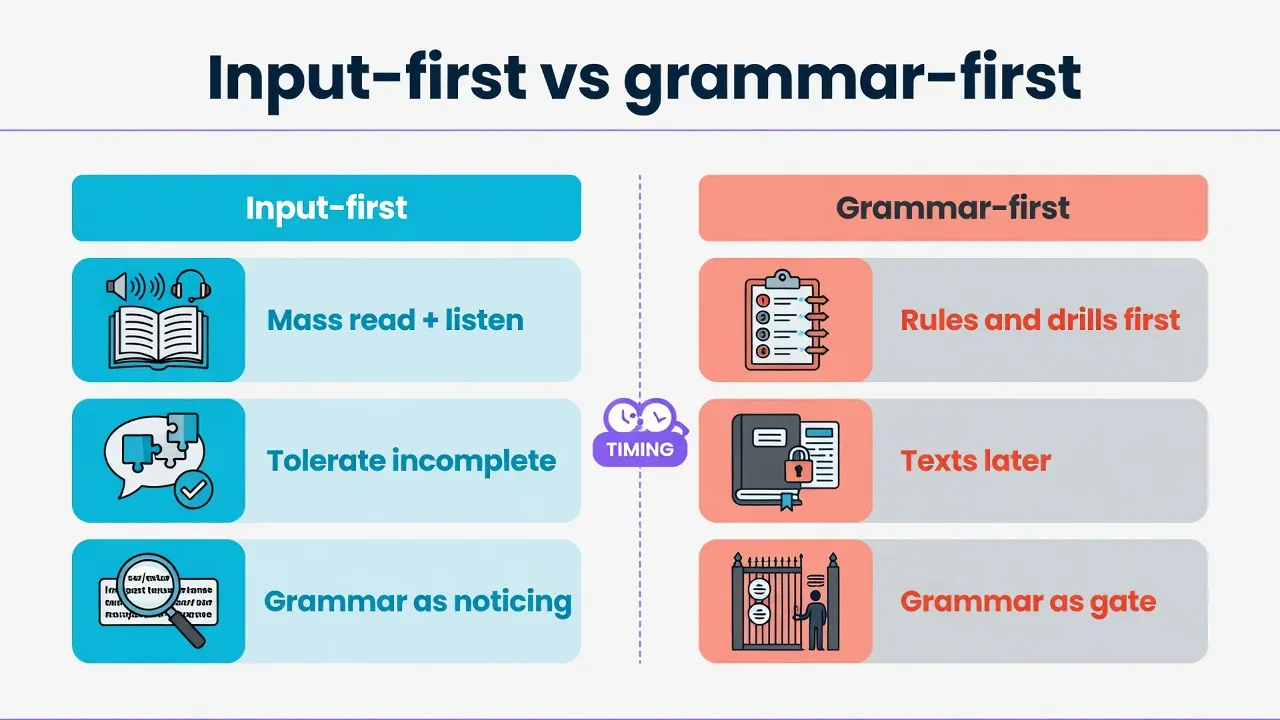
Timing is the debate - not "good students vs bad students."
| Dimension | Input-first (Kaufmann-style) | Grammar-first (school-style) |
|---|---|---|
| Order | Mass read/listen → notice rules | Rules/drills → later texts |
| Goal early | Understand messages you care about | Correct forms / test scores |
| Frustration mode | Incomplete understanding (tolerate it) | Drill fatigue / never "ready" to read |
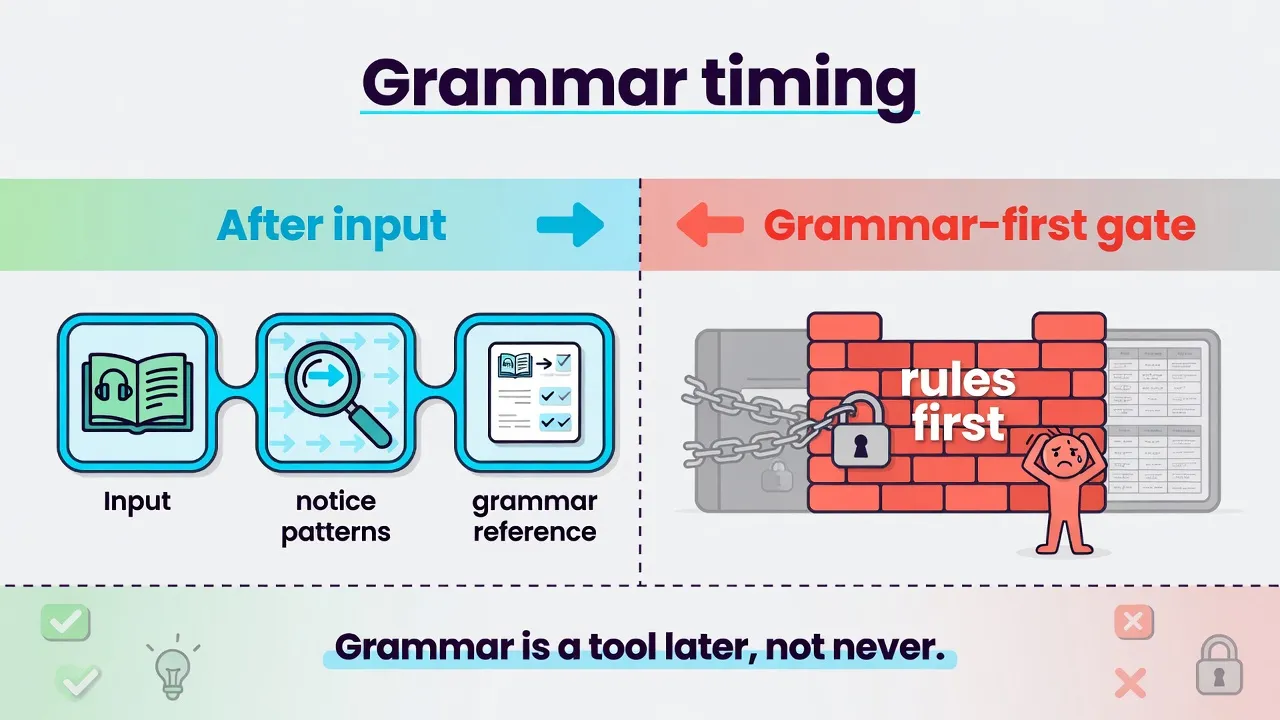
| Grammar role | Reference + noticing after exposure | Gate before content |
| Speaking | Often later / when ready | Often forced early drills |
| Best for | Building volume + intuition | Exams, precise editing, targeted gaps |
Grammar is a tool, not the enemy. The fight is when it sits in the week. Exams and editing still benefit from focused rules. Living comfort with stories and speech leans on volume of interesting input first.
Do other polyglots do the same?
A few examples:
- Kató Lomb treated books as a main path - acquire language through reading you care about
- Alexander Arguelles is known for heavy reading and listening routines (methods differ)
- Luca Lampariello emphasizes natural exposure through input
The shared thread is simple: maximize interesting input. They differ on speaking timing, tools, and how much explicit study they mix in. That variety is fine. You do not need one guru to own your week.
Where a reading app helps
Interesting input is the method. An app only lowers friction.
Mass reading hurts when every third word is a tab switch. MovaReader is a reading-first helper: tap translate in context, listen while you read, warm up on a free graded library, and open an EPUB you own when you bring a book. It does not host free commercial novels as a library. Speaking still needs practice when you are ready.
Plans
| Plan | What you get |
|---|---|
| Freemium | Free graded library, click-translate on supported texts, about 20 word translations per day, listening often unlimited on freemium |
| Reader €1/month | Unlimited reading translations - useful when daily volume exceeds freemium lookups |
| Pro €5/month | Full trainers when review is the bottleneck |
Details live on pricing. How to open your own book: how to use. Soft practice after reading: optional phrase typing demo.
A simple loop many people can run:
- Pick one graded English or Spanish text from the library
- Read 15-40 minutes; look up only blockers
- Same text + audio when available
- Optional light noticing or short review
- Later: your own EPUB; speaking practice when ready
Tools reduce friction. Daily interesting input still does the work.
FAQ
Does Steve Kaufmann ban grammar?
No. He delays heavy explicit grammar. Rules help later when you use them to notice patterns you already half-know from reading and listening. Grammar is a tool and a reference, not the gate before input - and not something to "hate forever."
Is reading enough for speaking?
Reading and listening build a strong foundation: vocabulary, rhythm, patterns. Speaking still needs practice when you are ready - real conversation, shadowing, or production drills. Input-first is not a promise that silent reading alone makes you fluent in speech.
How much input per day is "enough"?
There is no magic number. A practical range many people can sustain is about 15-40+ minutes of interesting reading (and listening when possible). Consistency and interest beat a heroic weekend then nothing. More volume can help.
Can complete beginners use this method?
Yes, if the input is simple enough. Start with graded or easier material in English or Spanish (or your target), not raw news at A2. Authentic hard content too early causes freeze and quit. Climb: simpler → more volume → more authentic (i+1).
How is this different from drill apps or from LingQ?
Drill-first apps often lead with rules, flashcards, or production before you have much input. Kaufmann-style work leads with mass interesting input, then light review and grammar-as-noticing.
LingQ is Steve Kaufmann's co-founded platform for learning from real content (read, listen, save words). It operationalizes an input-first philosophy. MovaReader is a separate reading-first helper (tap translate, audio, graded library, your own EPUB). Tools reduce friction; they do not mint polyglots.
Next steps
Flood interesting reading and listening first. Use grammar later to notice what you already half-know. Interest and consistency beat perfect completeness.
Today: open one graded text, read for a short block, look up only blockers. When you want the theory behind i+1, return to Krashen's comprehensible input. When volume needs fewer lookup limits, check pricing - freemium, Reader €1, Pro €5.
Keep reading with translations inside the text
With a free account, an unknown word translates with one tap, and the words you are learning wait for you in the trainer.
Free account: 7 days of Pro, then 20 word translations a day or a paid plan.