
Language Learning Psychology
Helpful articles and tips for learning English and Spanish through reading. Strategies, grammar guides, and vocabulary building.

B1-B2 Language Plateau: Why You Stall and How Reading Helps
The B1-B2 plateau usually comes from comfortable input and low weekly volume, not a lack of talent. Five signs you are stuck and reading strategies that help.
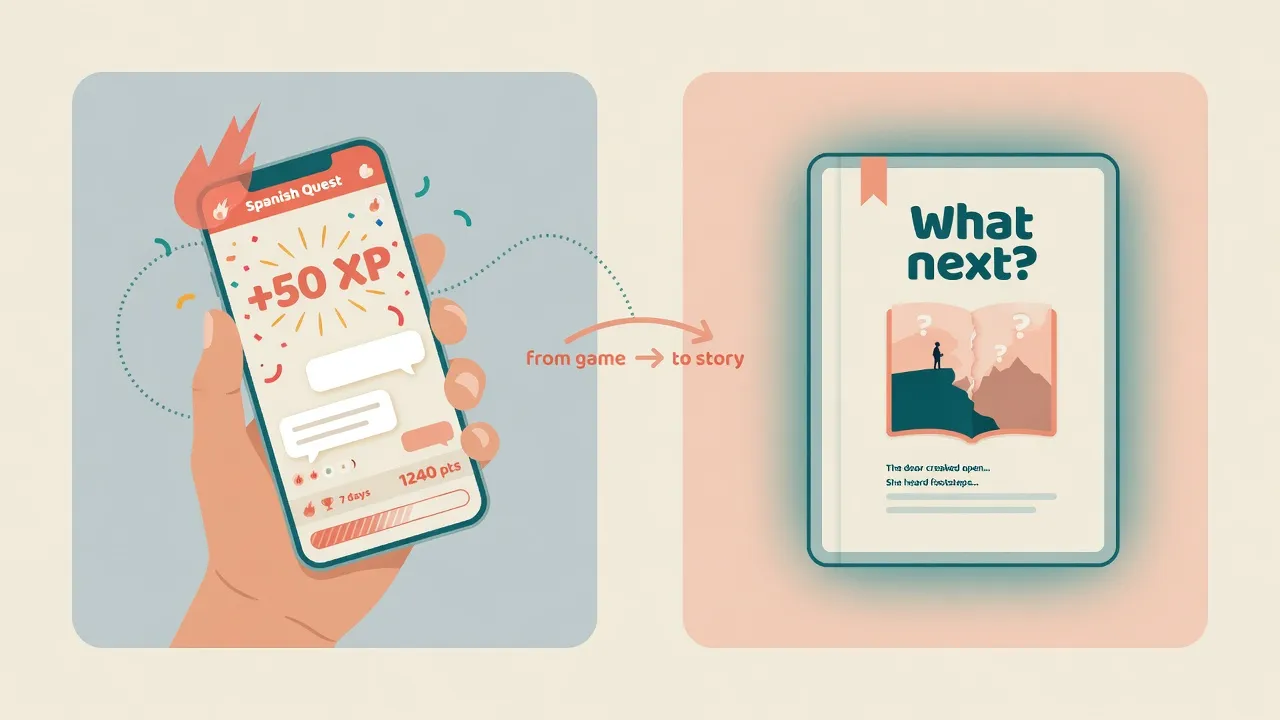
The Dopamine Trap: Why Gamified Language Apps Feel Productive but Stall Progress
Long streak, still stuck on a real paragraph? How language-app gamification trains engagement over comprehension - and why wanting to know what happens next in a story is a stronger engine than protecting a flame icon.

Steve Kaufmann Method: Why Polyglots Read Massively (Not Grammar Tables First)
Polyglots do not ban grammar forever. They refuse grammar-as-gate before input. Here is the Steve Kaufmann approach: mass read+listen, tolerate incomplete understanding, notice rules later, plus a practical week plan.
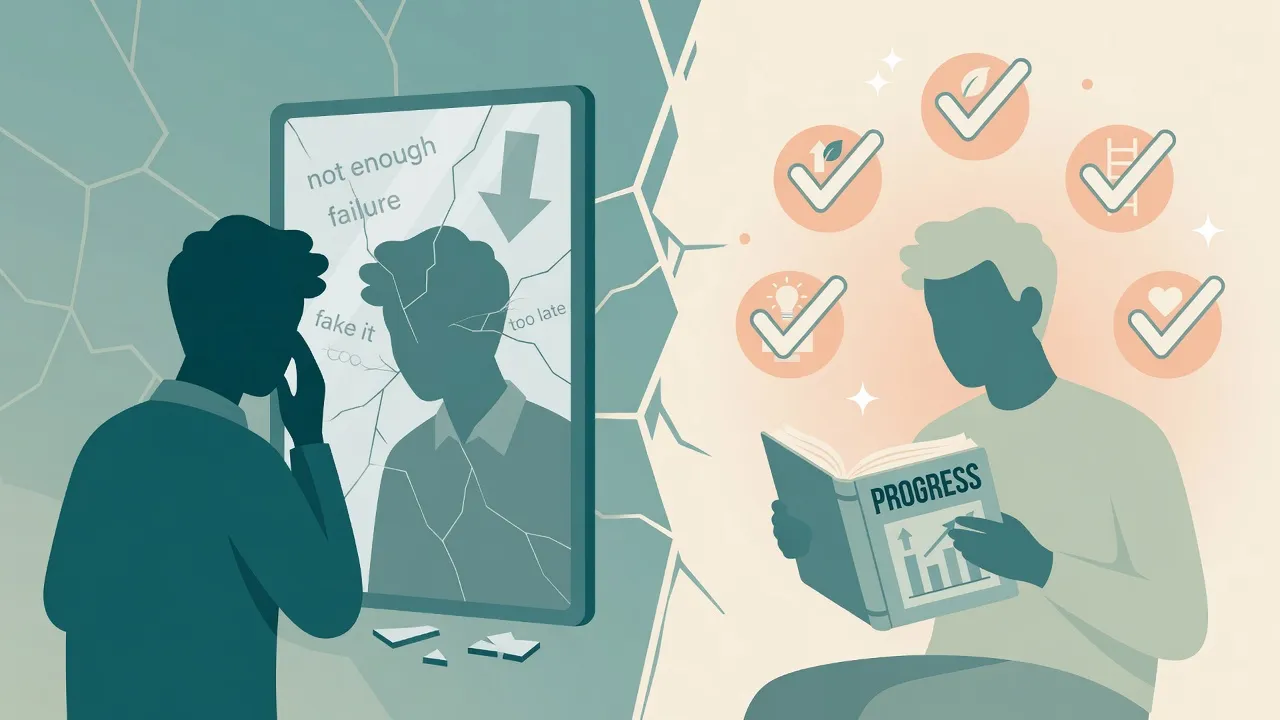
Impostor Syndrome in Languages: Why Your Real Level Often Beats the Fear
You can read the news and still feel like a fraud. Impostor syndrome in languages is a real feeling, not a measure of skill. How to separate the inner critic from real evidence.

Introvert language barrier: speak English without stress
If speaking clubs drain you, you are not broken. Many introverts need a quiet runway of reading, listening, and low-stakes mouth practice before real talk feels possible.

Fear of Mistakes in Language Learning: Why Perfectionism Freezes Speech
Fear of mistakes is often school conditioning, not low skill. Why the internal editor freezes speech, how reading builds patterns at low stress, and five practical steps.
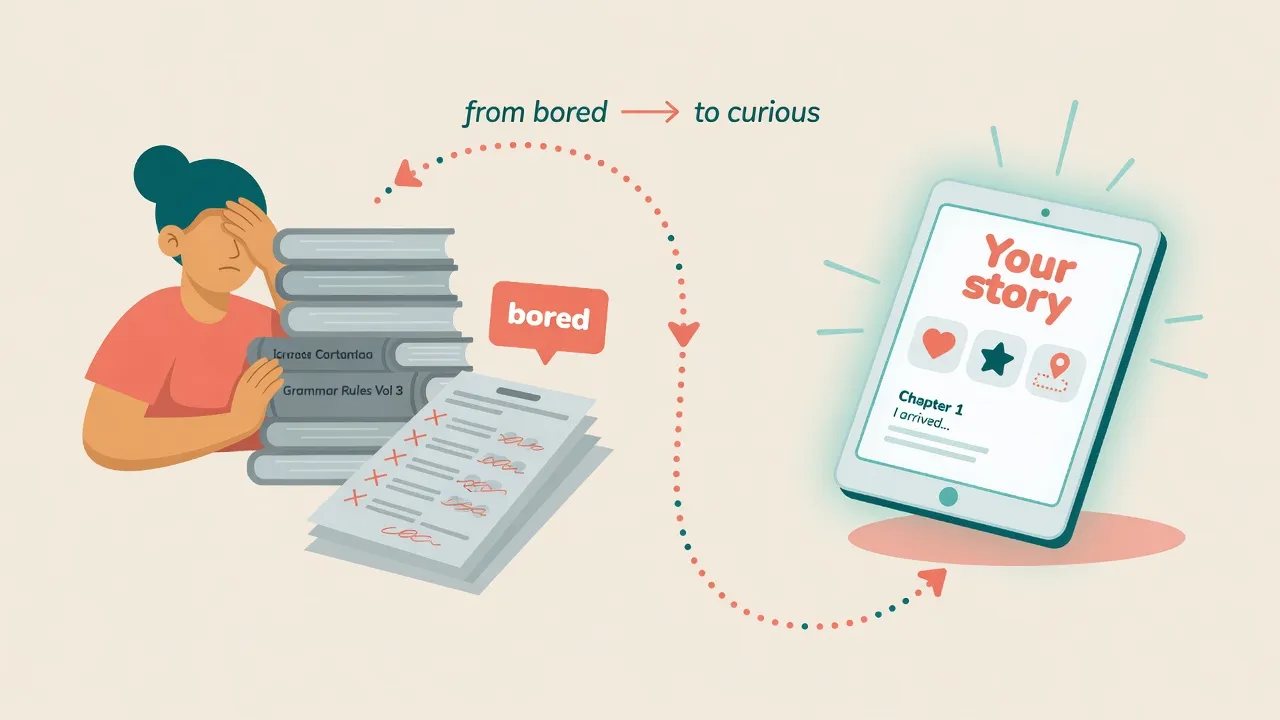
Language Learning Burnout: What to Do When Textbooks Make You Sick
Textbooks feel like duty and every missed day piles on guilt. That is often method burnout, not a lack of talent. Here is how to recognize it and restart with gentle reading of something you actually want to finish.

Is it too late to learn languages after 30?
No, it is not too late. Adult brains stay plastic; what usually fails is method and hours, not age. Here is the research in plain words, five strategies for 30+ learners, and how reading interesting texts at the right difficulty helps.
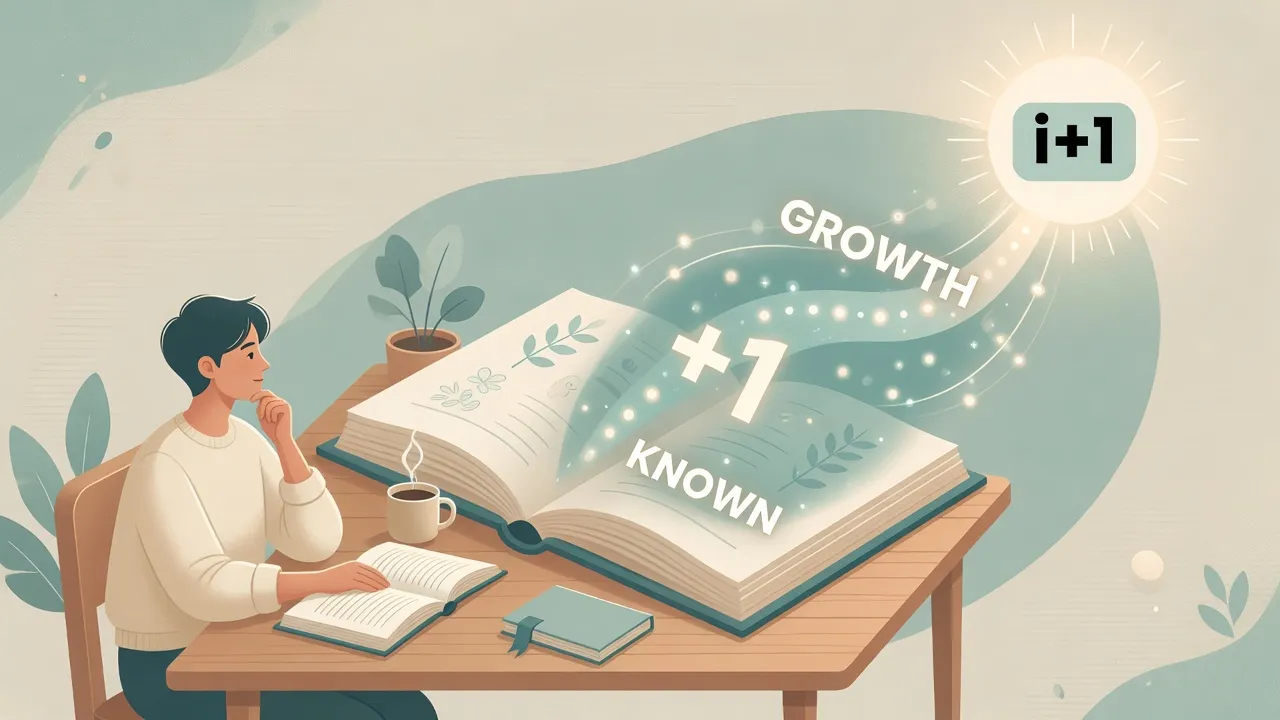
Krashen's Comprehensible Input: What i+1 Really Means (and What It Doesn't)
Comprehensible input is a strong ingredient, not a magic guarantee. A clear guide to Krashen's i+1, its limits, and daily reading habits that help.

"I Have No Talent for Languages": Why That Myth Stalls Progress
I'm just not a language person. That story often hides a bad method, wrong difficulty, or too little contact. Here is the talent myth, realistic 6-month ranges, and reading that builds comprehension.

The Fear of Mistakes: Why Perfect Grammar Won't Make You Happier Communicating
Your grammar obsession is the real mistake. Science shows that massive, stress-free reading builds correct language patterns faster than any drill - and without the anxiety that silences you mid-conversation.

Comprehensible Input and Fluency: What Krashen Actually Said
Comprehensible input is a useful framework for language learning, not a guarantee of fluency. What Krashen's i+1 idea says, where it has limits, and reading habits that help.