Language Learning Psychology
Is it too late to learn languages after 30?
No, it is not too late. Adult brains stay plastic; what usually fails is method and hours, not age. Here is the research in plain words, five strategies for 30+ learners, and how reading interesting texts at the right difficulty helps.

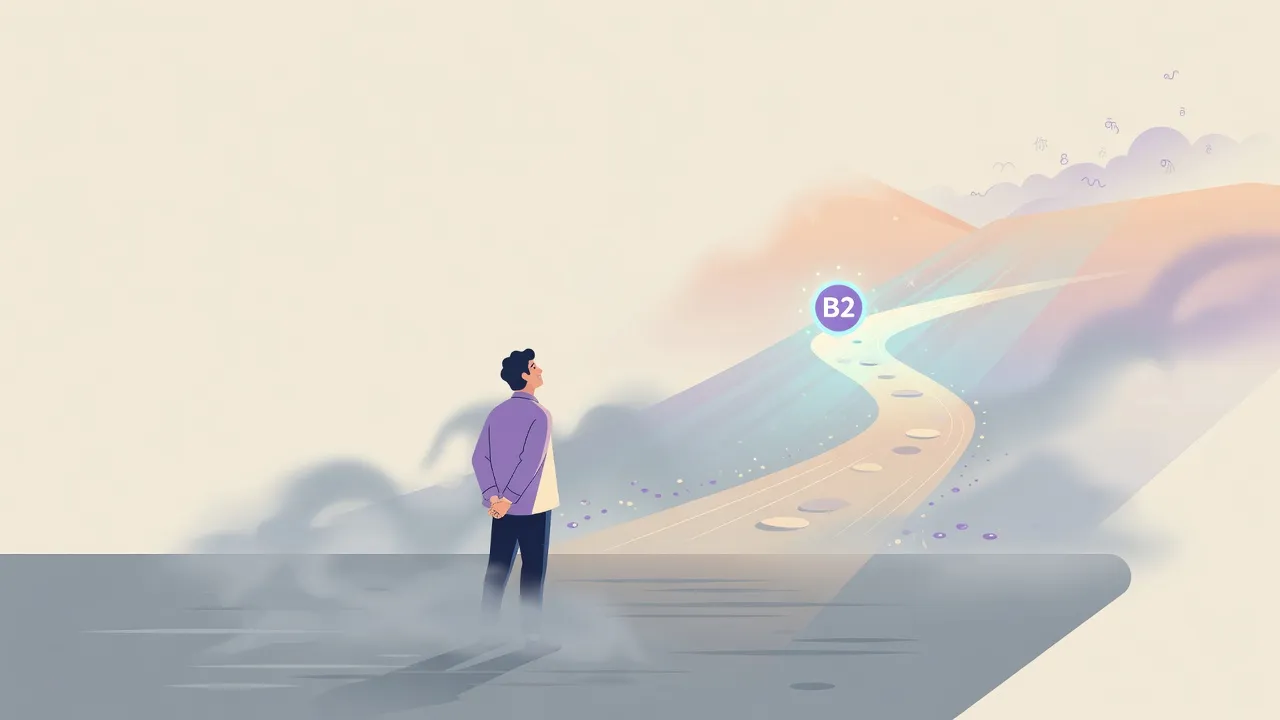
You are thirty-something (or older). Work fills the calendar. Maybe kids fill the evenings. A work trip, a partner, or a job posting makes you want English or Spanish for real life, not for school grades. Then the old line shows up: Is it too late after 30?
No. It is not too late to learn a language after 30 - or after 40 or 50. Adult brains keep building new connections. Useful skills like reading, writing, and clear conversation do not slam shut at puberty. Children often win on accent when they grow up immersed. Adults often win early on grammar, vocabulary, and strategy when they study with a purpose. What usually blocks adults is weak methods, little daily contact, and fear - not a locked brain.
Your age is not the problem. Treating yourself like a child learner often is.
Where the critical-period myth came from (and what research actually says)
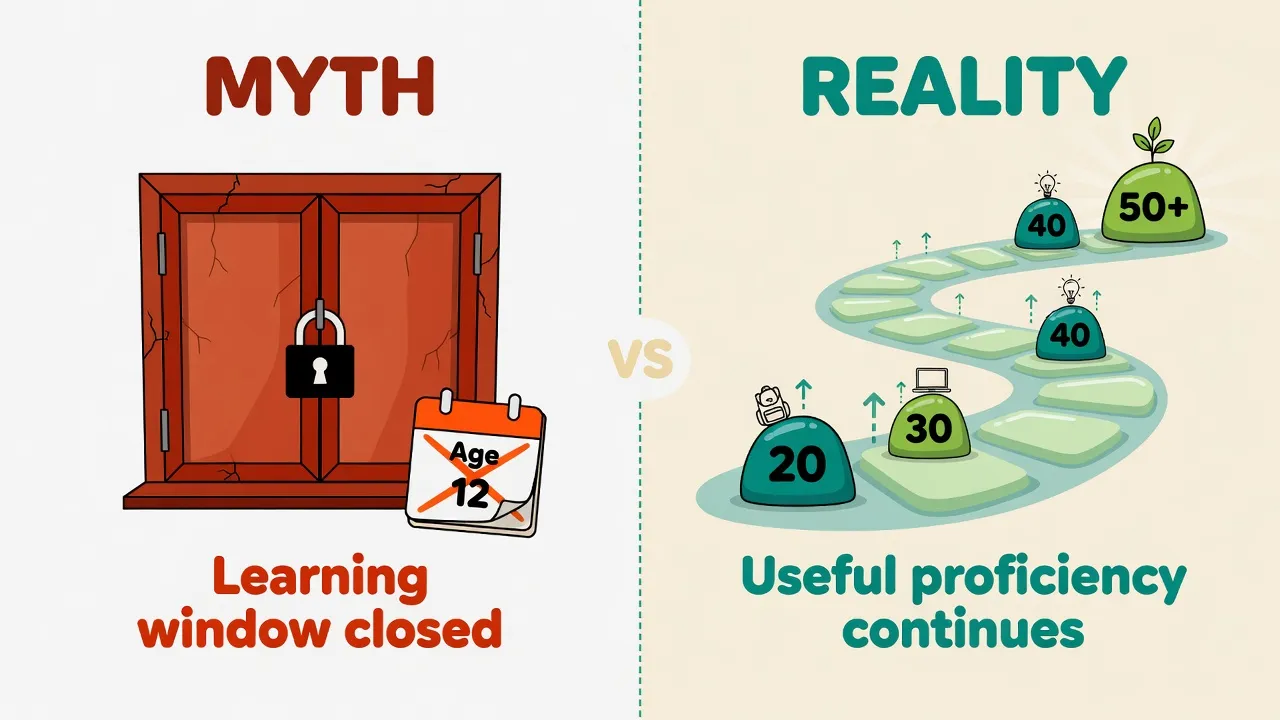
The idea of a "critical period" started with first-language development. Eric Lenneberg (1967) argued that first language acquisition has a sensitive window early in life. Later, people stretched that idea to any language learning after childhood: if you miss the window, you are done.
That is the myth in its hard form. Second-language research is messier and kinder to adults.
Large modern work often cited as Hartshorne and colleagues (~2018, huge online sample, sometimes called the "MIT" study in popular write-ups) suggests grammar learning capacity continues well past childhood. Starting young helps if the goal is native-like outcomes after long immersion. That is a high bar for pronunciation and fine grammar. It does not mean adults cannot reach useful B1, B2, or even higher for work, travel, and reading.
Here is the simple picture: the "window slammed shut at twelve" story is too crude. Useful learning continues.
Neuroplasticity - the brain's ability to rewire with experience - does not retire at 30. Imaging work on intensive adult language study (for example Mårtensson and colleagues at Lund, around 2012) has linked serious practice with measurable brain changes. Treat that as evidence of plasticity, not as a miracle pill. Hours of good input still do the work.
What is harder after childhood vs what is not
Some things really do get harder for many adults. Naming them is kinder than pretending otherwise.
Often harder
- Accent and native-like sound. Phonology is stubborn after adolescence for a lot of people. You can still be clear and professional without sounding like a local radio host.
- Time and energy. Job, family, and sleep compete with study hours. Kids in school get free immersion hours adults never get.
- Fear of looking foolish. Red-pen school memories freeze speaking. Perfectionism slows practice. (Related: fear of mistakes and perfectionism.)
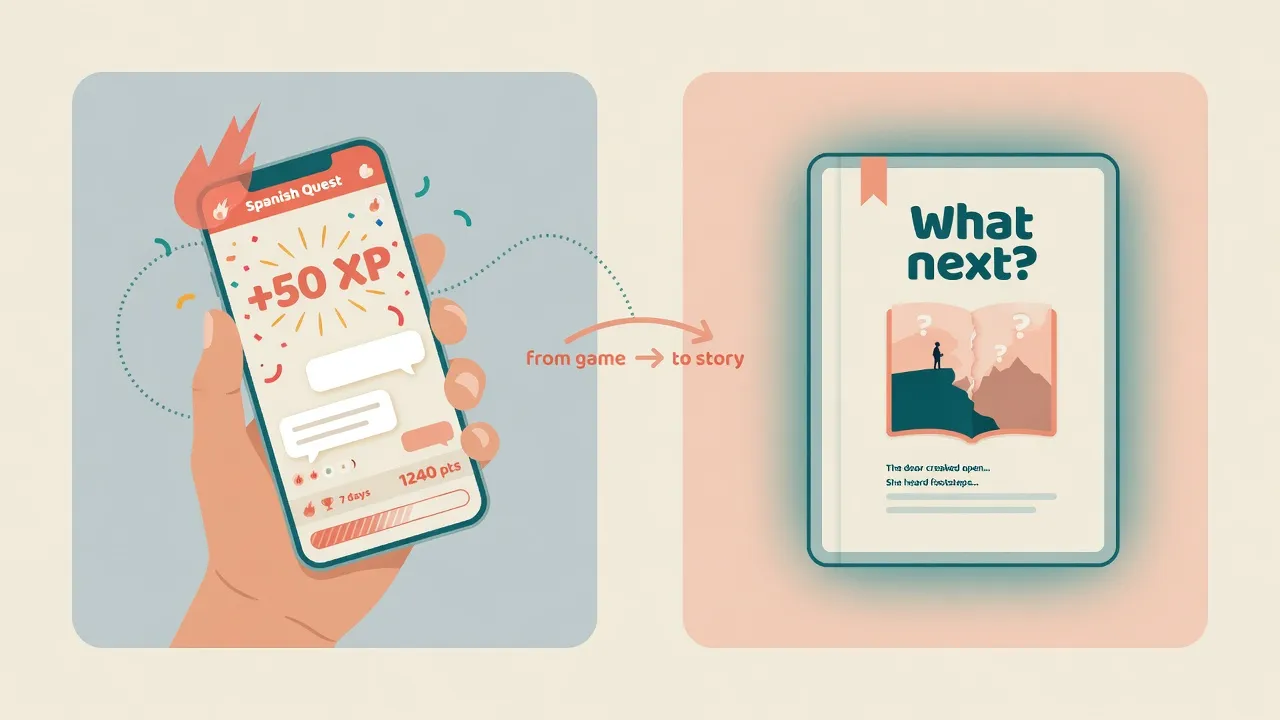
- Method mismatch. XP games and "the cat is on the table" bore an adult brain that wants real topics.
Not closed after 30
- Reading and vocabulary growth with regular input
- Grammar as a system you can analyze
- Listening improvement with enough exposure
- Functional conversation for work and travel
- Strategy: planning, note systems, goals that match your life
Accent is a ceiling question for native-like sound. It is not a wall around useful proficiency. Most careers and trips need clarity, not invisibility as a foreign speaker.
Why adults often learn better for real-world goals
If the goal is "pass as a childhood speaker," early immersion has an edge. If the goal is "read my field, handle meetings, travel without panic," adults often have superpowers kids lack.
Analysis and patterns
You can see grammar as a system. You notice tense patterns, gender agreements, and word order without waiting for pure imitation. That analytical gear is an adult tool. Use it lightly: notice patterns in real sentences, then keep reading. Do not turn every page into a linguistics exam.
World knowledge and L1 transfer
You already know politics, family scripts, job interviews, and how arguments work. The new language often adds labels to ideas you already hold. Cognates and internationalisms help (info, strategy, market, digital...). Your first language is not the enemy; it is a scaffold when you use it well.
Motivation with a reason
Homework duty fades. A promotion, a move, a partner's family, or a trip you care about does not. Chosen motivation beats forced drills when the content matches the reason. That is why reading about your topics beats random flashcard lists for long stretches.
Adult advantages at a glance:
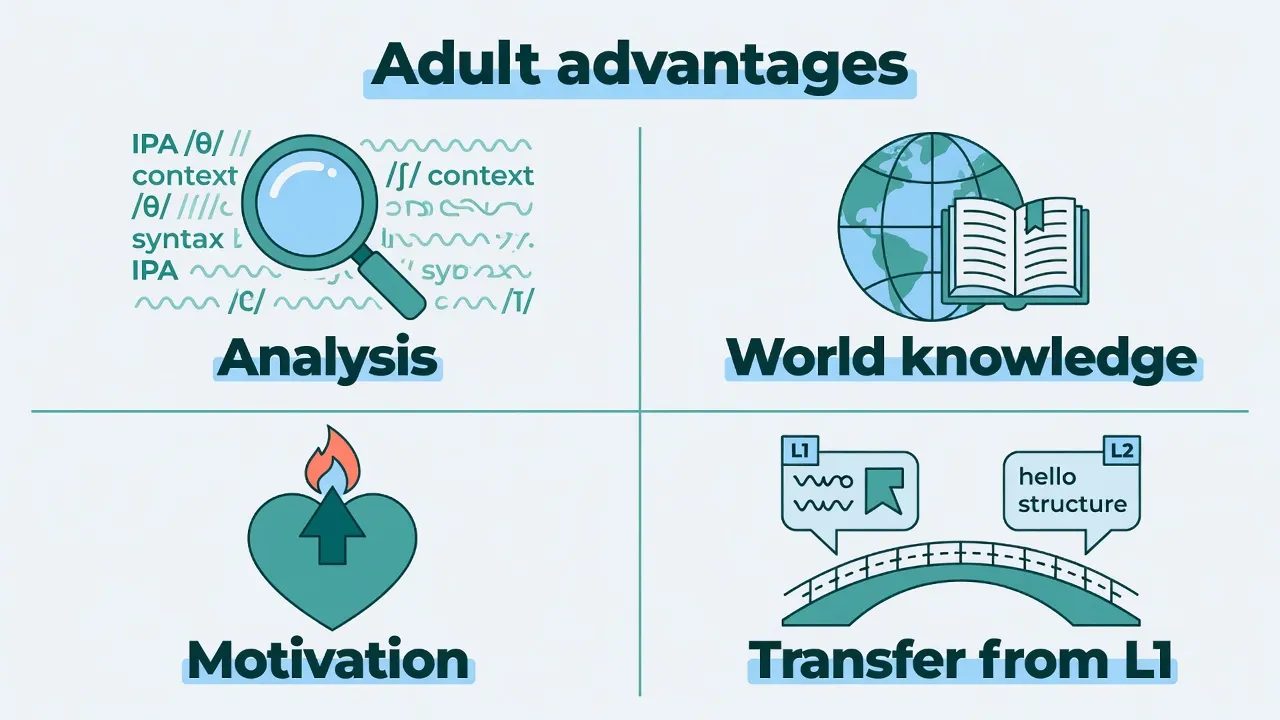
- Pattern spotting - you can treat grammar as structure, not only sound.
- World knowledge - stories and articles land faster because the world is familiar.
- L1 and internationalisms - concepts transfer; you are not starting from zero thought.
- Chosen motivation - career, kids, travel, identity - when it is real, it sticks.
Neuroplasticity in plain words (and how reading helps)
"Neuroplasticity" just means: use it, and the brain adapts. Sleep, attention, and repeated meaningful contact matter more than birthday candles.
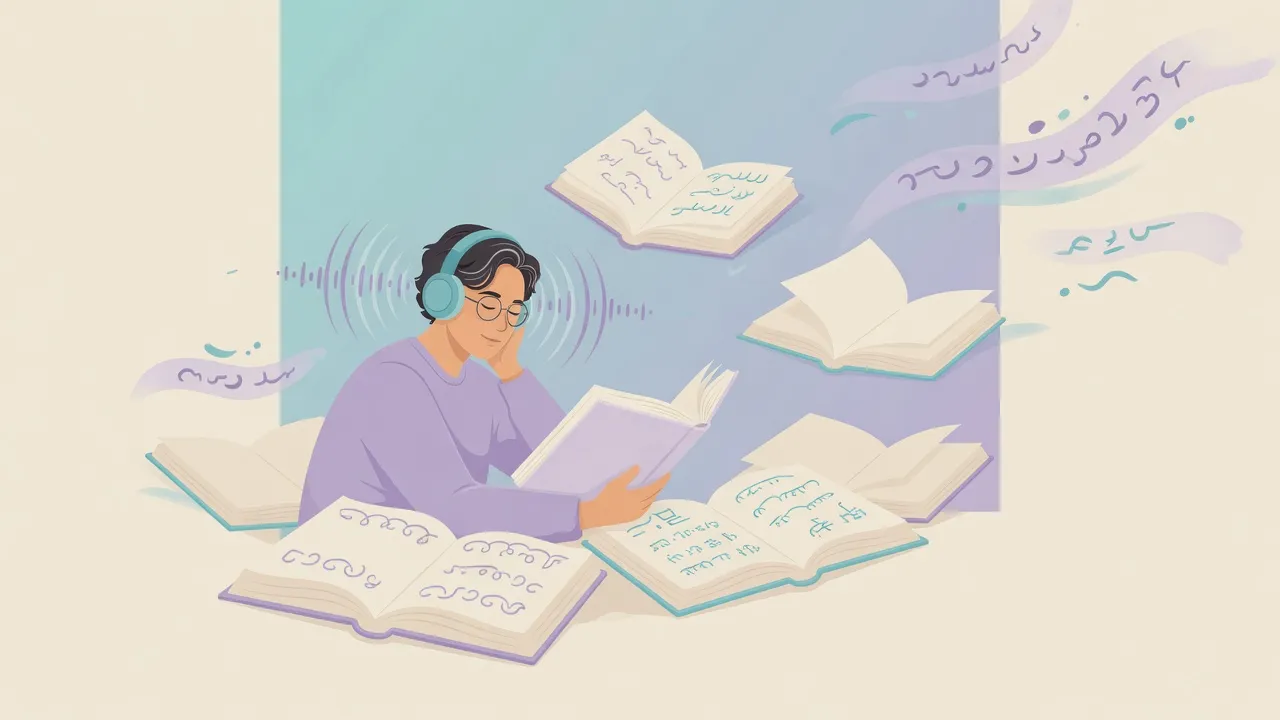
Reading is a strong adult channel because it:
- Gives dense vocabulary in context (not isolated word lists only)
- Lets you re-read, pause, and notice patterns without social panic
- Matches adult attention: long enough for depth, short enough for a commute
- Builds the mental library speaking later draws on
You still need listening and talking for full skill. Reading loads the tank so speaking is less empty. For the input idea behind "understandable messages," see Krashen and comprehensible input - useful as a compass, not as dogma.
Why kid-game methods frustrate adults
Many apps were designed around habit loops for a broad audience: short taps, cartoon XP, toy sentences, streaks. That can build a daily open-the-app habit. It often fails adult interest.
After a long workday, your brain wants meaning. If every session is "apple / table / blue," motivation drains even when the streak stays green. Vocabulary stays locked to game lists. Progress looks like points, not "I finished an article about my job."
Games are not evil. They can warm up beginners or keep a tiny habit alive. They become a trap when they replace real input for years. Adults who "fail" at 35 often failed the method, not the decade of their life.
Five practical strategies for learners over 30
These are boring on purpose. Boring that you can keep beats flashy that you quit.
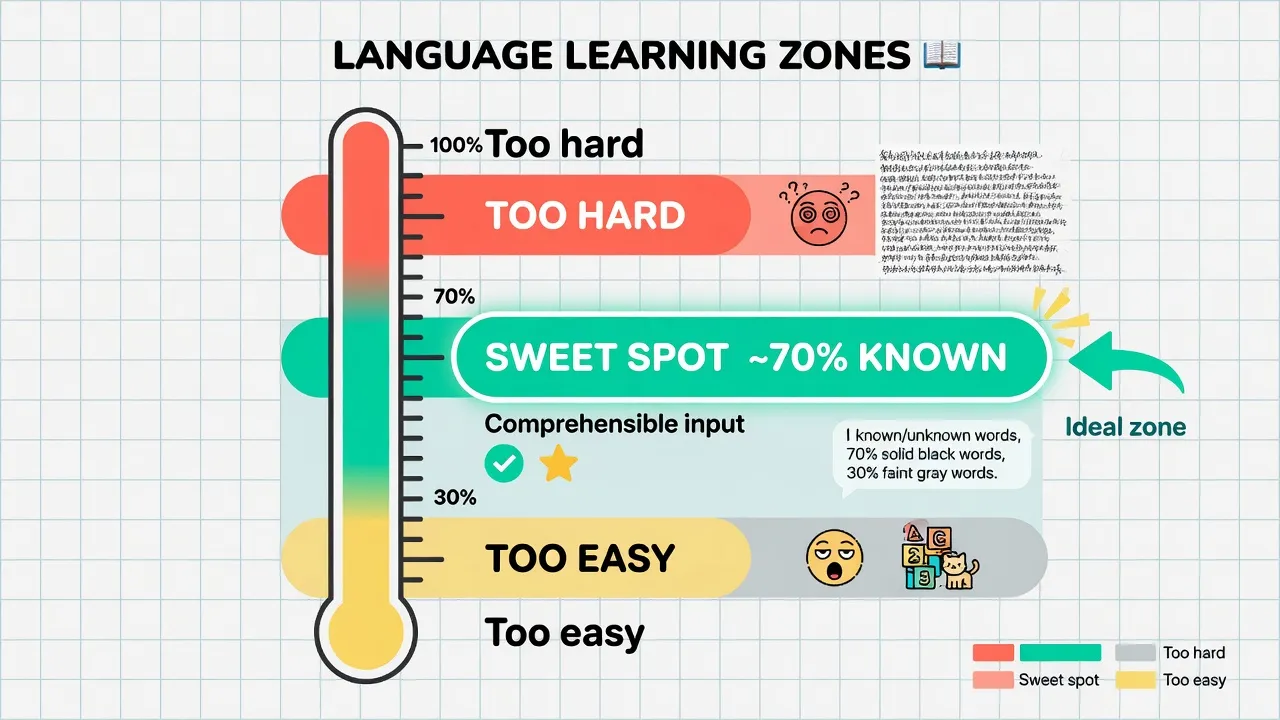
- Stay in the 70/30 reading zone. Understand most of the text. Struggle a little. Look up the rest. If every line needs a dictionary, drop difficulty. If nothing is new, step up slightly.
Tie language to work and life. Read the topics you already care about in your first language: industry news, parenting, sports, design, travel. Interest is free memory glue.
Aim for about 20 minutes most days. Memory likes regular contact more than weekend hero sessions. Protect a small slot you can keep when life is loud.
Guess, then check. Infer from context before you tap translate. That form-meaning link sticks better than instant lookup every time. Then verify the hard words so you do not learn mistakes.
Pick content with emotion or use. Funny, useful, or slightly urgent beats dry drills alone. Emotion and utility keep adults coming back.
Start this week with graded or easy interesting texts, not a guilt plan for "perfect fluency." Browse free samples in all articles. Spanish A2-style: article 1209. Match difficulty to comfort, not ego.
Game-app loop vs adult reading loop
Use this table as a method check, not as shame.
| Dimension | Kid-game app loop | Adult reading loop |
|---|---|---|
| Content | Isolated words, toy sentences | Articles, books, real topics |
| Motivation | Streaks, XP | Interest, career, curiosity |
| Challenge | Often too easy | Tunable difficulty (~70% known) |
| Vocabulary | Capped game lists | Open, topic-driven |
| Progress signal | Points | Texts you can finish + words you know |
| Good for 30+? | Sometimes for habit only | Yes as core input method |
| Path toward B2 | Possible if you add real input; slow if only games | Strong for reading and vocab; still needs speaking practice |
The realistic middle: game apps are not doomed forever, and reading is not a shortcut to B2. Volume of useful contact decides more than the logo on the app icon.
For rough vocabulary size bands, open the language map. For a deeper word-count picture, see how many words for B2.
How MovaReader fits adult brains
MovaReader is built for adult reading: graded or real texts, click-to-translate, progress about words you know - not cartoon XP.
What helps 30+ learners
- Free graded library so you can start without a shopping spree
- In-context help so you stay in flow on texts that match your life
- Listening while reading (handy if you read better than you hear)
- Vocabulary feedback tied to what you actually open
- Optional upload of your own EPUB or files you already own
Limits and pricing
- Free plan: about 20 word translations per day; listening is often unlimited on the free tier
- Reader €1/month when you want heavier reading volume
- Pro €5/month for full trainers (phrases, typing, and similar practice)
- We do not host unlimited commercial bestsellers by default
- Reading will not replace conversation practice; it loads vocabulary and patterns so speaking is less empty
Details and current plans: pricing. After reading, light practice lives under trainers; you can also try phrase typing or type training.
If you have been told you "have no talent," that story is usually wrong. Hours of useful contact, good input, and not quitting matter more. Related: the no-talent myth.
FAQ
Is it too late to learn English (or Spanish) after 40 or 50?
No. The timeline may be slower if weekly hours are fewer, but the brain still learns. Many adults start later and reach solid working levels. Consistency beats the number on your birthday cake.
Do adults need talent to succeed?
Talent is a weak story for most people. Contact hours, understandable input, and habits you keep matter more than a gift label from school. Strategy and method beat waiting to feel "gifted."
How long does it take to reach B2 after 30?
It depends on starting level, how close the languages are, and weekly hours. From a solid A2 with regular study and lots of input, many people need many months to a few years - not one magic number. From zero with little practice, much longer. Skip anyone who promises B2 in thirty days. Ranges, not guarantees.
Is a thick accent a failure?
No. Clear communication beats perfect phonetics for most careers and travel. Accent work is optional polish, not a gate you must pass before you are allowed to speak.
Can reading alone make me fluent?
Reading builds vocabulary, grammar patterns, and confidence quickly. Speaking and listening still need practice: talk, shadow, courses, language partners, real meetings. Use reading as the heavy input engine, not as the only skill.
What should I do in the first week?
- Pick one language goal (for example: read work news or handle travel basics).
- Find graded or easy interesting texts.
- Read 15-20 minutes most days.
- Mark words you actually learn.
- Skip guilt about perfect speaking in week one.
Age is an asset if the method fits
Thirty-plus is not a closed door. You bring analysis, knowledge, and reasons to care. The critical-period myth steals confidence; kid-only methods steal interest. Put both down.
Pick one language, one clear goal, and a reading difficulty you can finish. Give yourself daily minutes, not a heroic weekend. When you want a compass for vocabulary bands, use the language map. When you want pages, start from all articles.
Not too late. Just overdue for a method that respects an adult brain.
Keep reading with translations inside the text
With a free account, an unknown word translates with one tap, and the words you are learning wait for you in the trainer.
Free account: 7 days of Pro, then 20 word translations a day or a paid plan.