
Blog
Helpful articles and tips for learning English and Spanish through reading. Strategies, grammar guides, and vocabulary building.

Reading Aloud vs Silent: Pronunciation Method
You can understand a page and still freeze when you speak it. Here is a realistic way to combine silent volume, listening, and short aloud practice without fake fluency promises.

Blind Reading: Stop Moving Your Eyes Without Understanding
You finish a page in English and remember nothing. That is blind reading - decoding without a mental movie. Here is how to get meaning back, one short chunk at a time.

Graded Readers vs Original Books at A2: The Comfort Trap
Adapted books are not "bad." After early A2 they can become a comfort trap. See what graded texts cut, why cold originals + dictionary break flow, and how to bridge with five finishable first books.
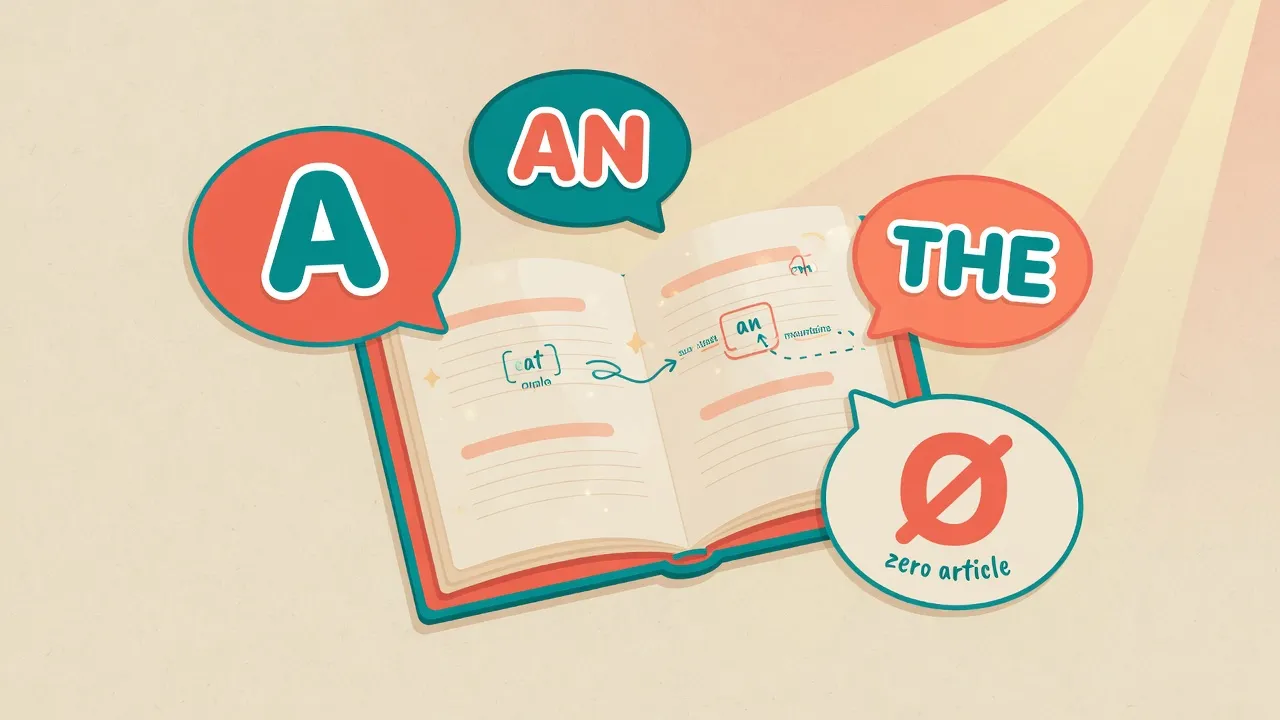
How to Use A, An, The Without 50 Rules
Stuck between a dog and the dog? Feel articles through three intuitions and daily reading - not fifty tables.
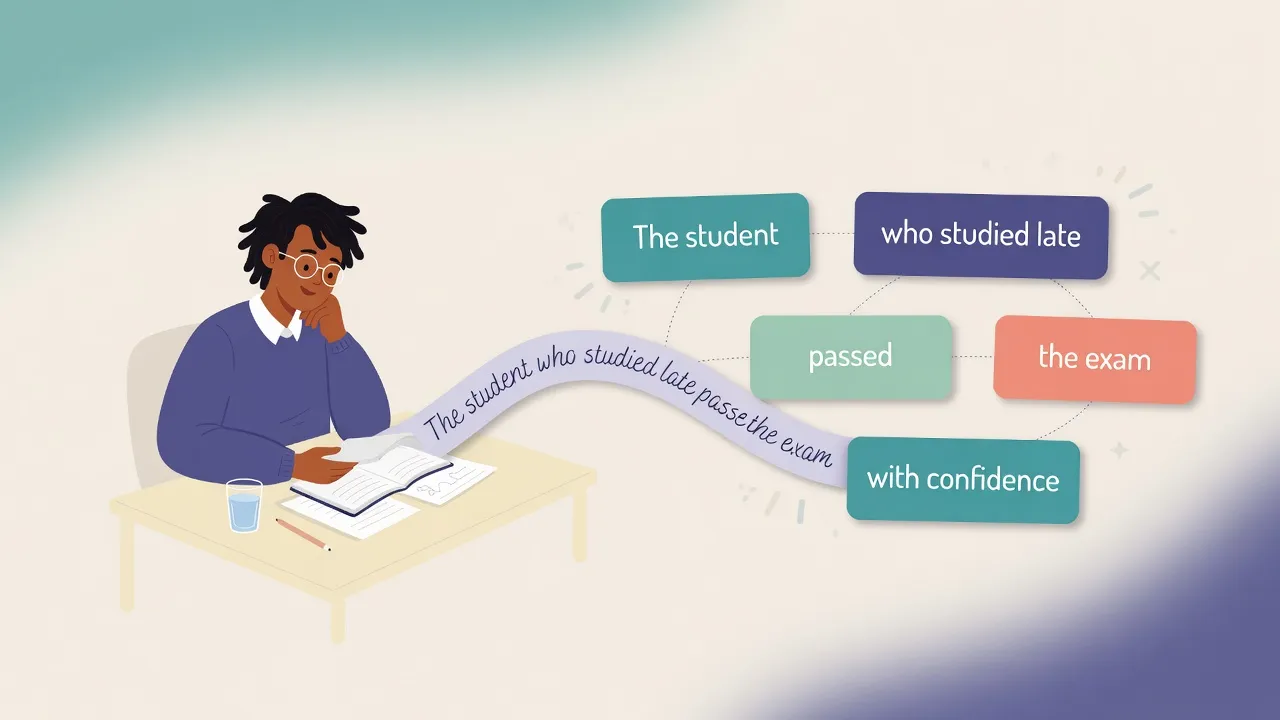
Read Complex English Sentences Faster: 3 Practical Skills
You do not need genius speed reading. You need three structure skills: chunk meaning groups, lock the main clause first, and treat idioms as one unit. Here is how to practice them in 30 days.

Flow State Reading: Enjoy English Longreads
Why some people get lost in English articles while others quit after one paragraph. The secret is flow state - and you can train the conditions that make it show up.
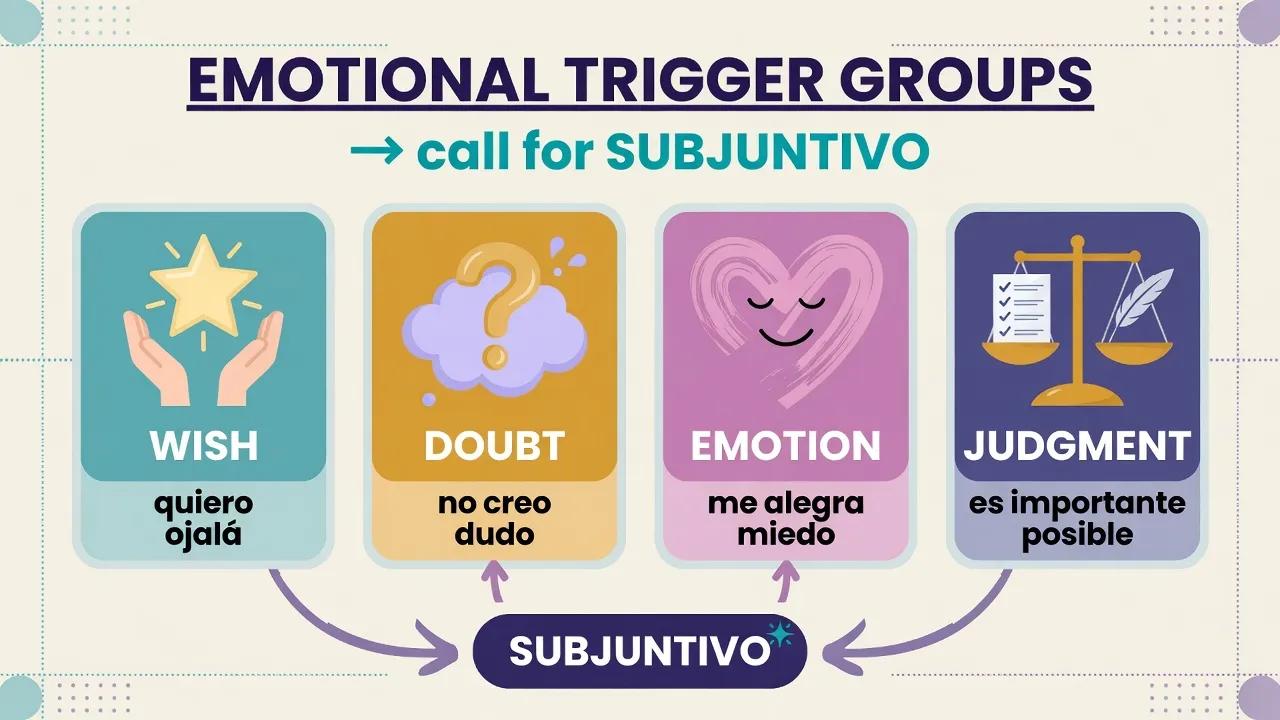
Spanish Subjunctive Without Tears: Feel the Mood Through Emotional Dialogues
Why venga not viene? Subjunctive marks speaker attitude (doubt, desire, emotion), not the clock. Learn fact-frame vs attitude-frame, mini dialogues, and a realistic B1-B2 reading plan.
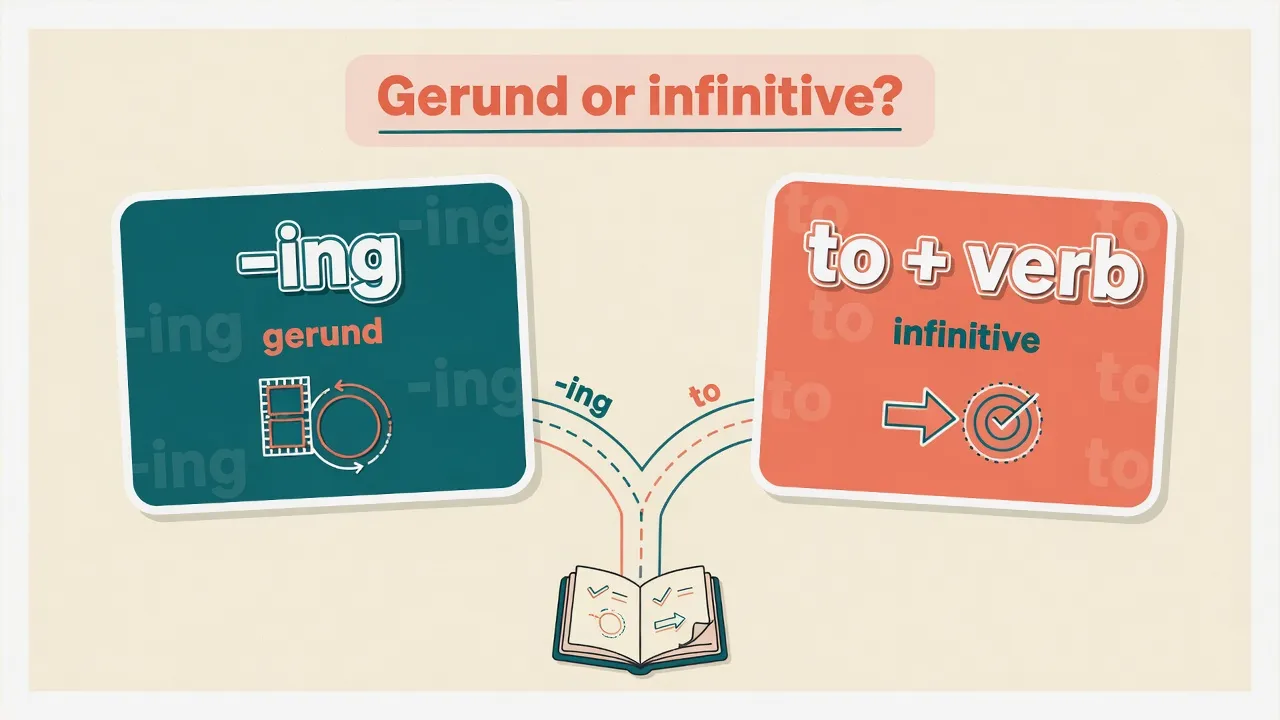
Gerund vs infinitive: the camera rule
He stopped smoking and he stopped to smoke are two different stories. Learn gerund vs infinitive with magnet tables, meaning-change pairs, and a camera heuristic - then notice the patterns while you read.
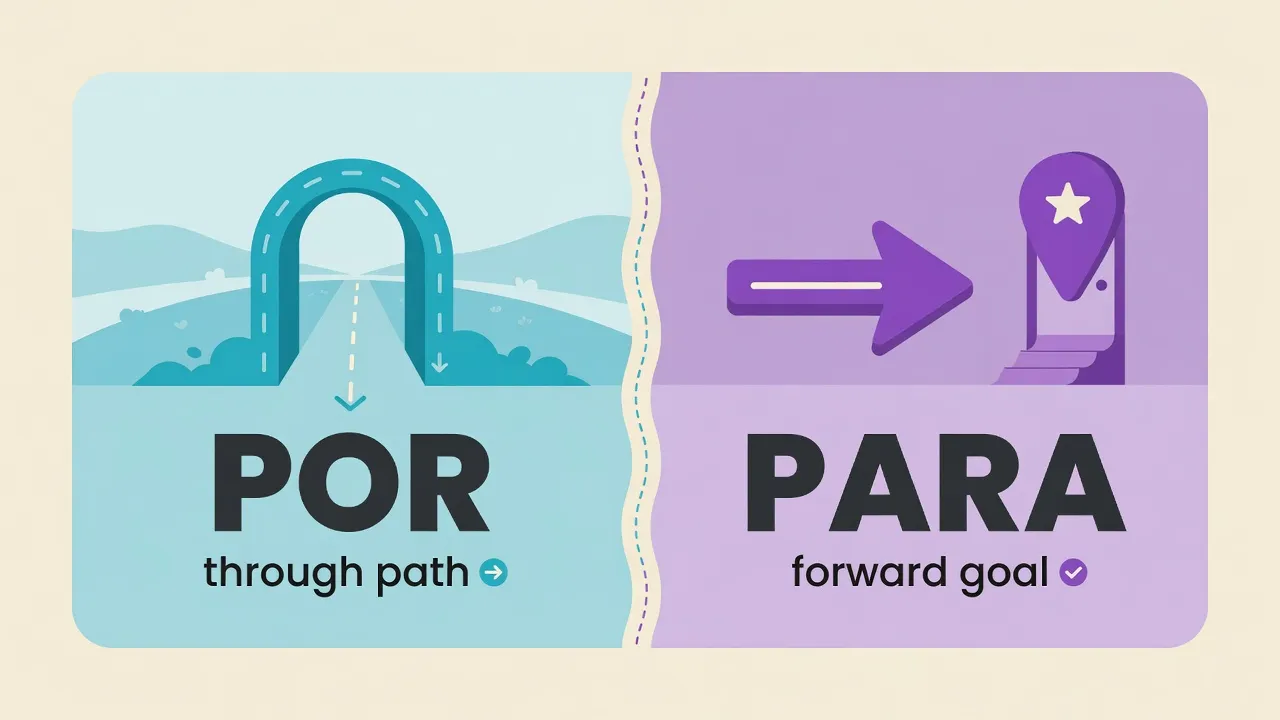
Por vs Para in Spanish: a Through-Path vs Forward-Goal Model
English "for" is not one Spanish word. Por looks back or through (cause, path, exchange, duration); para looks forward (goal, recipient, deadline, direction). Model, pairs, hard cases, and noticing in graded Spanish.
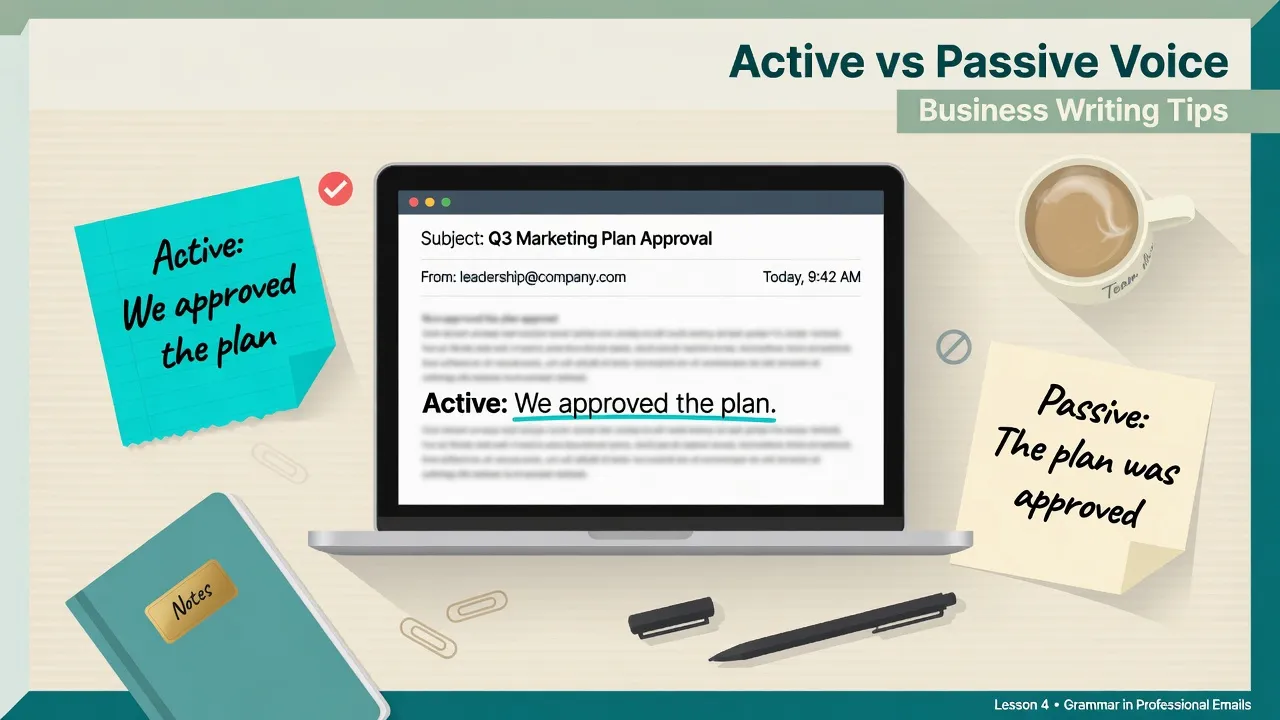
Passive Voice in Business English: When to Use It and How to Read It Fast
Business writing loves the passive for focus and diplomacy. Learn the formula, four strategic reasons, five markers, and when active is better - then train on real texts.

English conditionals 0-3: the architecture of dreams
You know every word in the if-clause and still miss the time meaning. Conditionals are not only school formulas. They are a map of what is always true, what is possible, what is imagined, and what is already lost.
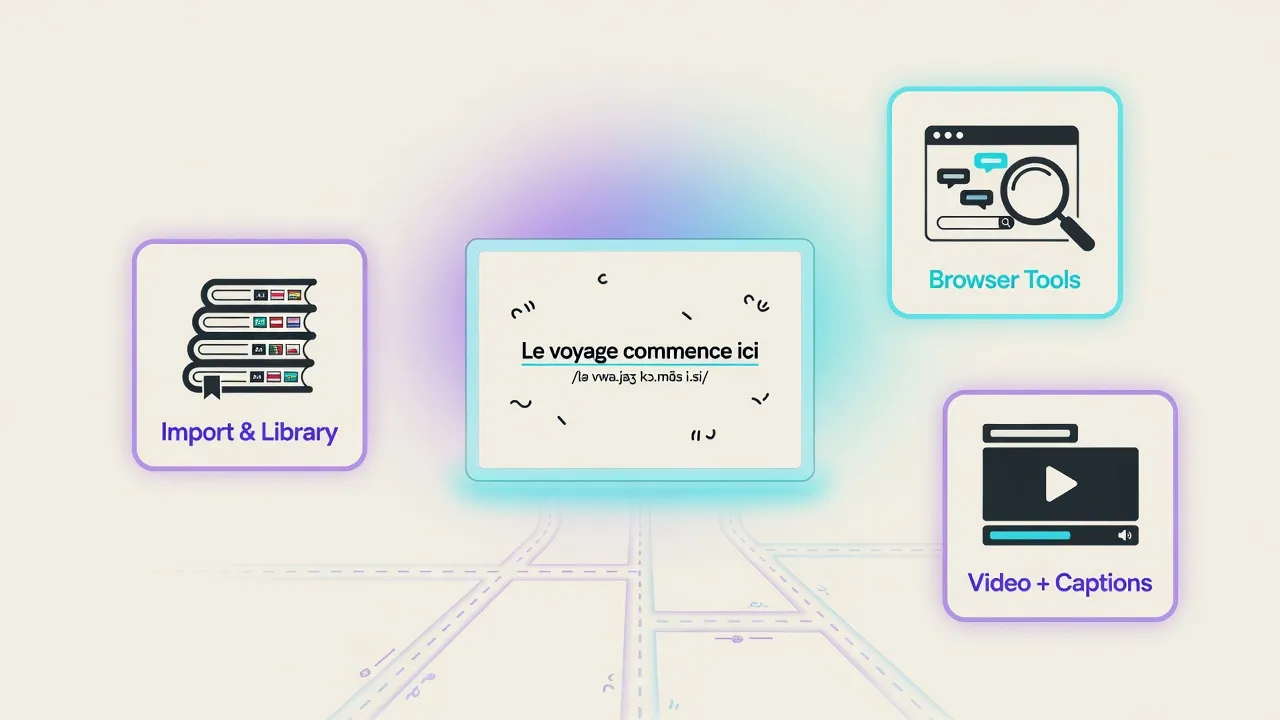
LingQ Alternatives Compared by Use Case, Free and Paid
Hit LingQ's free limits or paying more than you use? A use-case map of LingQ alternatives, free and paid, plus when staying on LingQ still makes sense.